Supreme Court rules against Trump’s tariffs: U-M experts available
EXPERTS ADVISORY
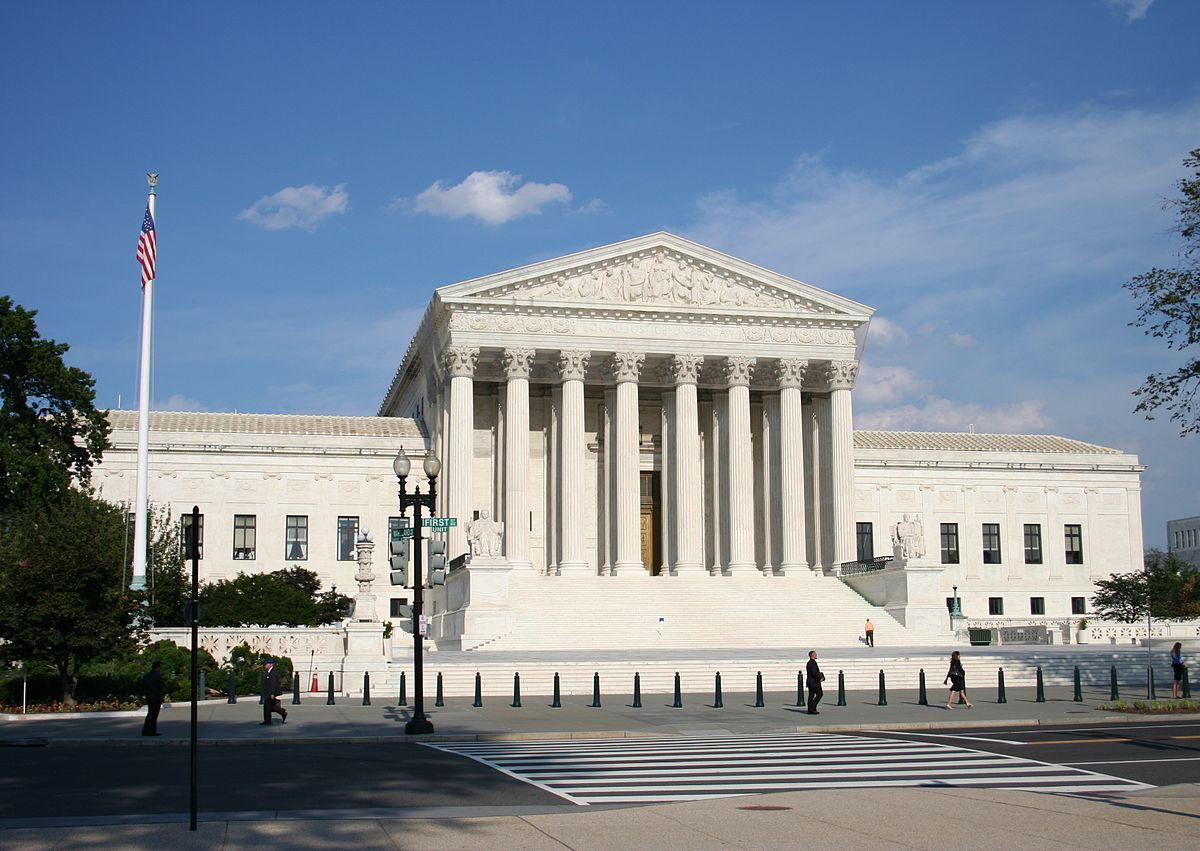
Experts from the University of Michigan can comment on the U.S. Supreme Court’s decision to strike down the Trump administration’s sweeping tariffs.

Erik Gordon is a clinical assistant professor of entrepreneurial studies. He is well-versed in the automotive, pharmaceutical and health care industries, and policy issues related to innovation, tariffs and labor.
“Tariff changes should be based on long-term policy, using a legal process that isn’t controversial and won’t be overturned after companies make expensive changes in their supply chain or pay billions in tariffs,” Gordon said. “Whether the tariffs are on T-shirts or tires, the company that makes them has to know where to build their manufacturing plant. They can’t move a plant from China to Vietnam one year, shut the Vietnamese plant and move to Colombia the next year, and to Mexico the year after that.
“We should negotiate hard with other countries to get trade arrangements that are fair, but when negotiations fail, tariffs should be in place for years. If we impose tariffs and then quickly remove them, we encourage other countries to make too little effort to reach agreements with us, and we impose terrible costs on companies who are whipsawed by tariffs this week, no tariffs next week.

Michael Speigl is a lecturer of marketing who is dealer principal of WE Auto, an auto group in Michigan and Tennessee.
“For the auto industry, the legal specifics of a ruling matter far less than the political reality: Automakers have effectively ‘priced in’ these tariffs and adjusted their supply chains months ago,” he said. “They aren’t waiting on the Supreme Court; they are operating under the assumption that the administration will find a path to implementation regardless of the legal mechanism.”