U-M Clements Library commemorates 250th anniversary of Thomas Paine’s ‘Common Sense’
The library holds 58 editions of Paine’s iconic pamphlet, published in January 1776
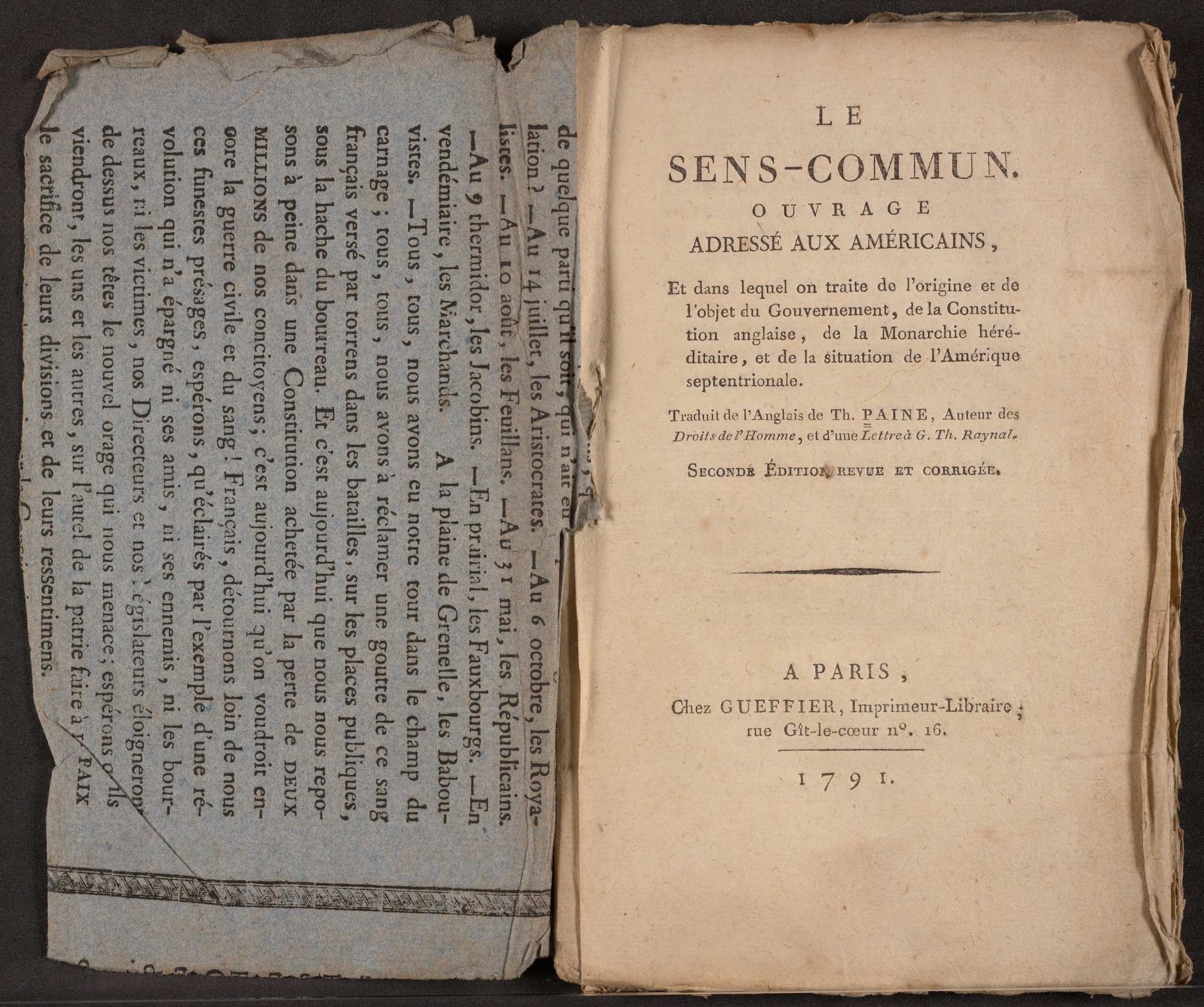
In 2026, going viral refers to a piece of content spreading rapidly across the internet and into common parlance, becoming a widespread sensation or defining a cultural moment. In early 1776, Thomas Paine’s “Common Sense: Addressed to the Inhabitants of America” did just that, no internet required.
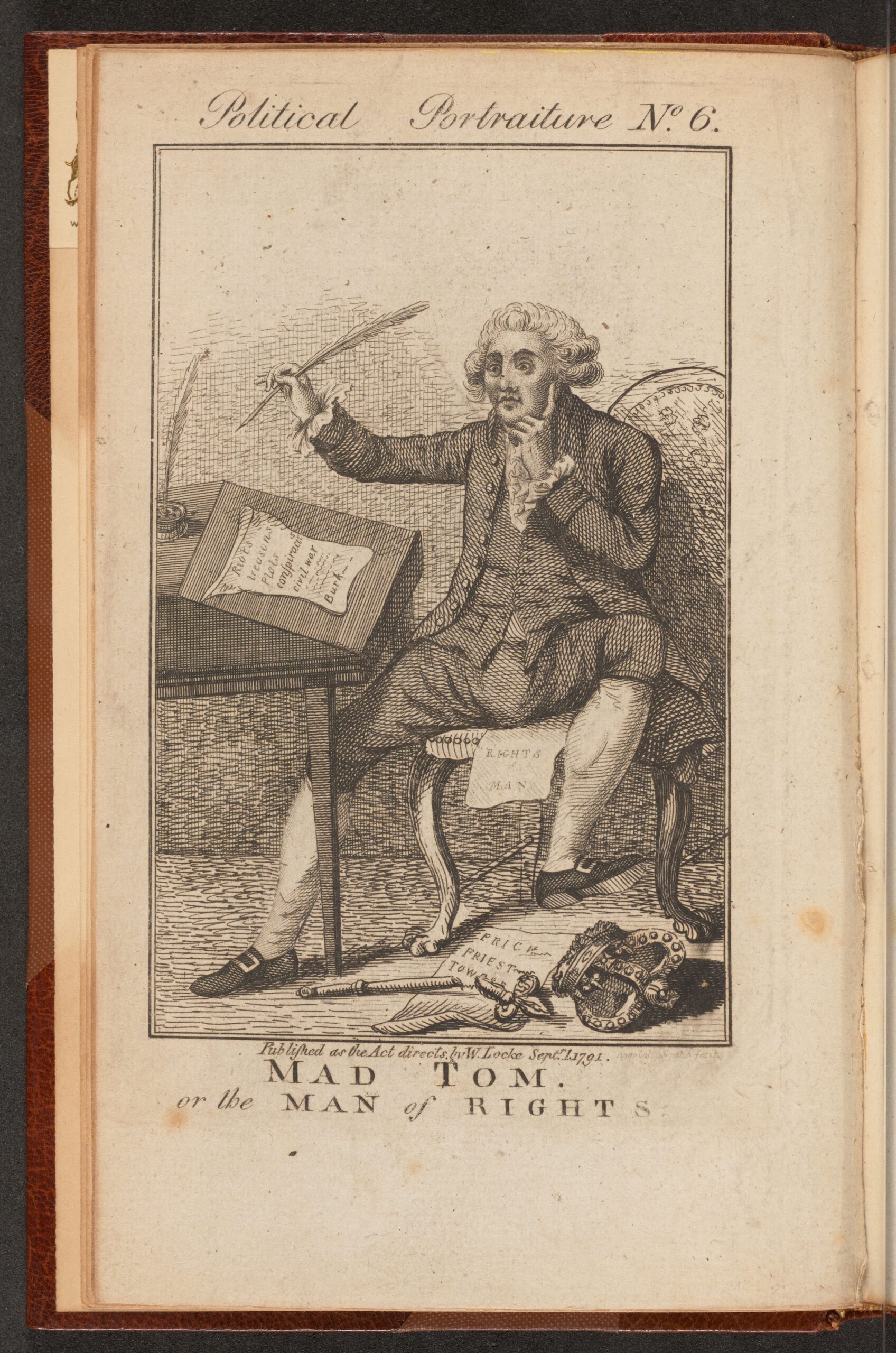
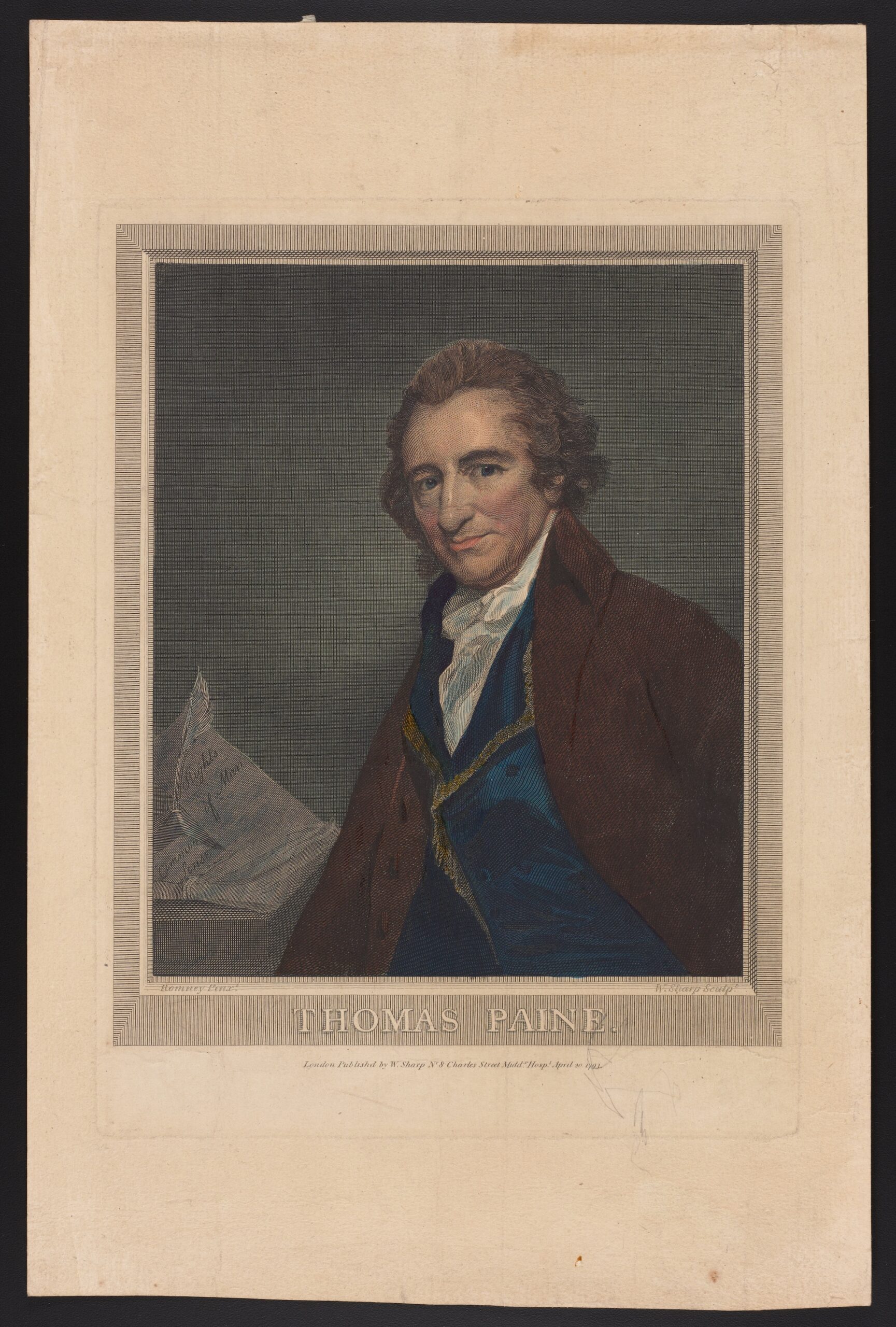
Within a week of its publication, the work’s passionate call for independence and its strident denunciation of the British monarchy made it a sensation and a runaway bestseller. Now, 250 years since its publication, four editions of Paine’s “Common Sense” are featured in the student-curated exhibit “Revolutionary Paine,” running through May 8 at the University of Michigan’s William L. Clements Library.
The Clements holds 58 editions of the pamphlet. And although historians debate the precise number of printings, they generally agree that “Common Sense” was reprinted more than any other title in colonial America. The Clements Library’s collection of these editions reflects the edits, additions, translations, typographical changes and imitations that this breathtakingly popular pamphlet underwent as it transformed both the print culture and the politics of Revolutionary America—and beyond.
An early influencer
Students of U-M Professor Andrew Murphy’s political science course, “Revolutionary Political Thought in Early America and Beyond,” spent a semester investigating Paine’s impact as one of the nation’s earliest influencers.
Curating the exhibit for Murphy’s course allowed them to actively explore Paine’s work, along with that of his contemporaries and critics, to better understand his political thought and his controversial legacy.
The frenzied publishing of the pamphlet in its early months and years set the stage for its social nature, said librarian Emi Hastings, the Clements curator of books and digital projects.
“If we look at where ‘Common Sense’ was printed before 1800, it starts, of course, with the different editions in Philadelphia,” Hastings said, “and then it spreads outwards along the mail routes, as people are mailing it to their friends, and then it gets reprinted by other printers in other local towns.”

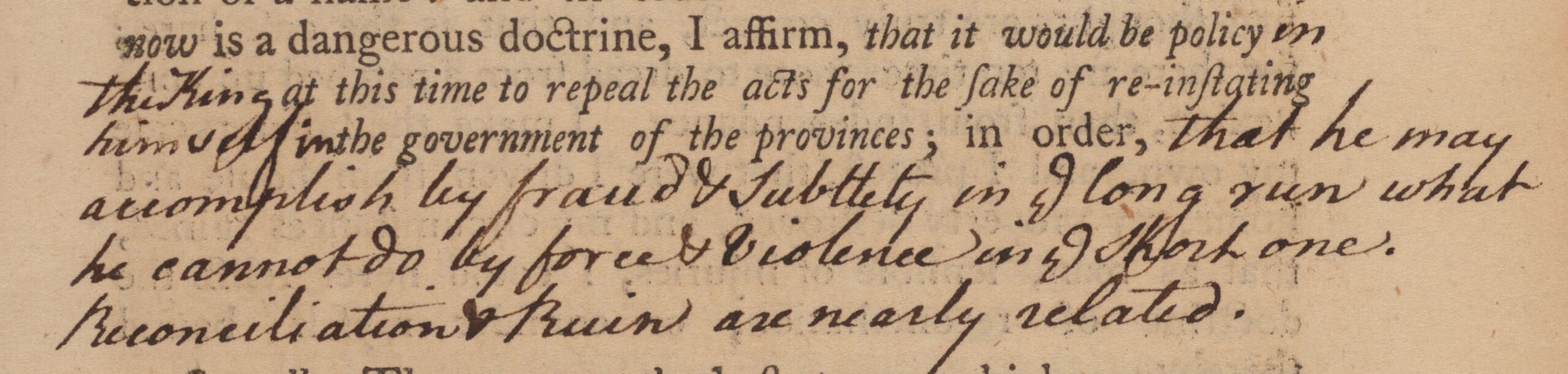
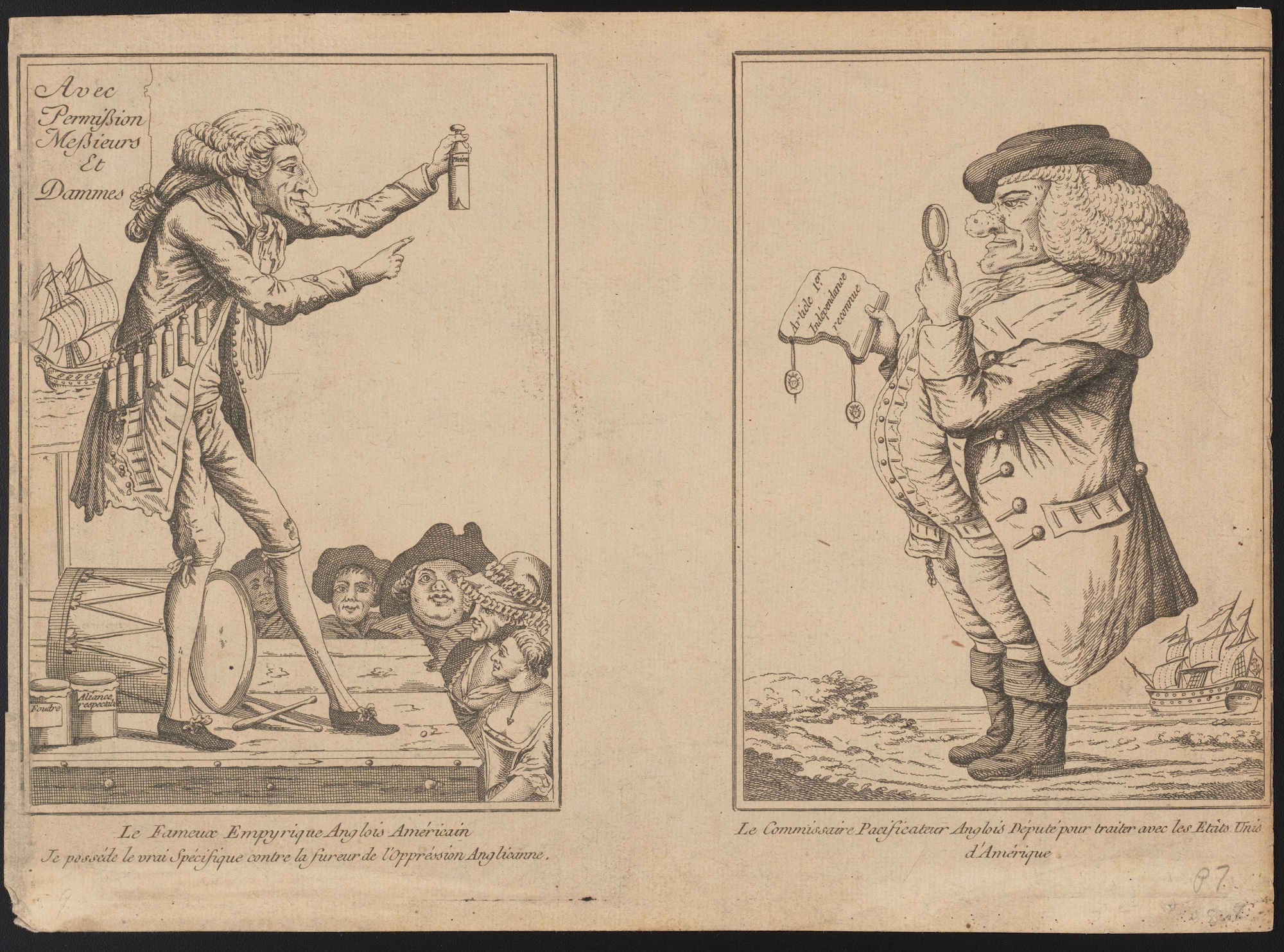

‘The Age of Reason’
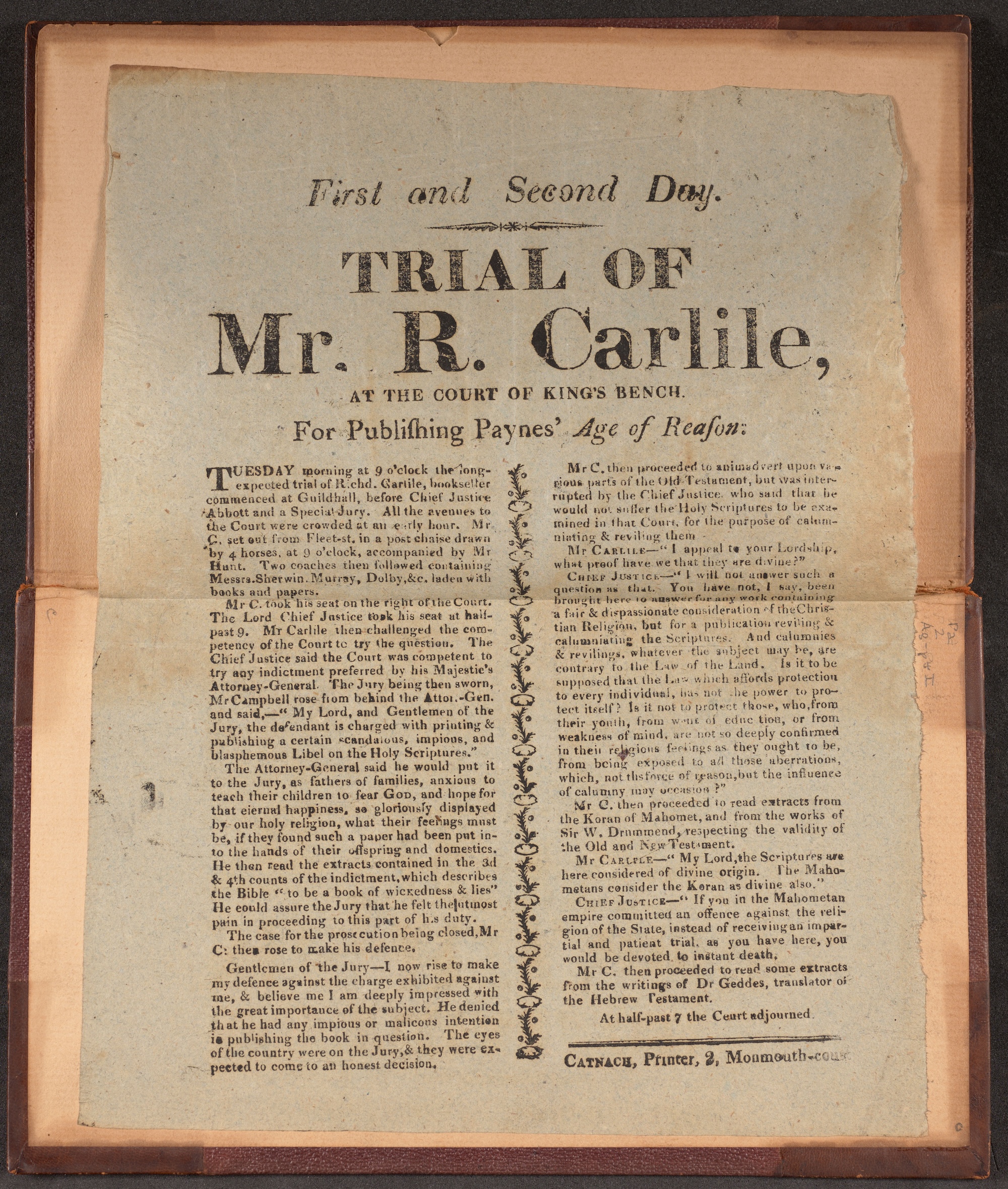
Murphy’s student curators also presented a symposium, which included a broadside advertising the trial of Richard Carlile, who faced prosecution by the Society for the Suppression of Vice for his publication of Paine’s “The Age of Reason.” Students Sanaya Hoskote, Max Janevic and David Sandall recorded a reenactment of proceedings from the 1819 trial, which is available on the Clements Library website.
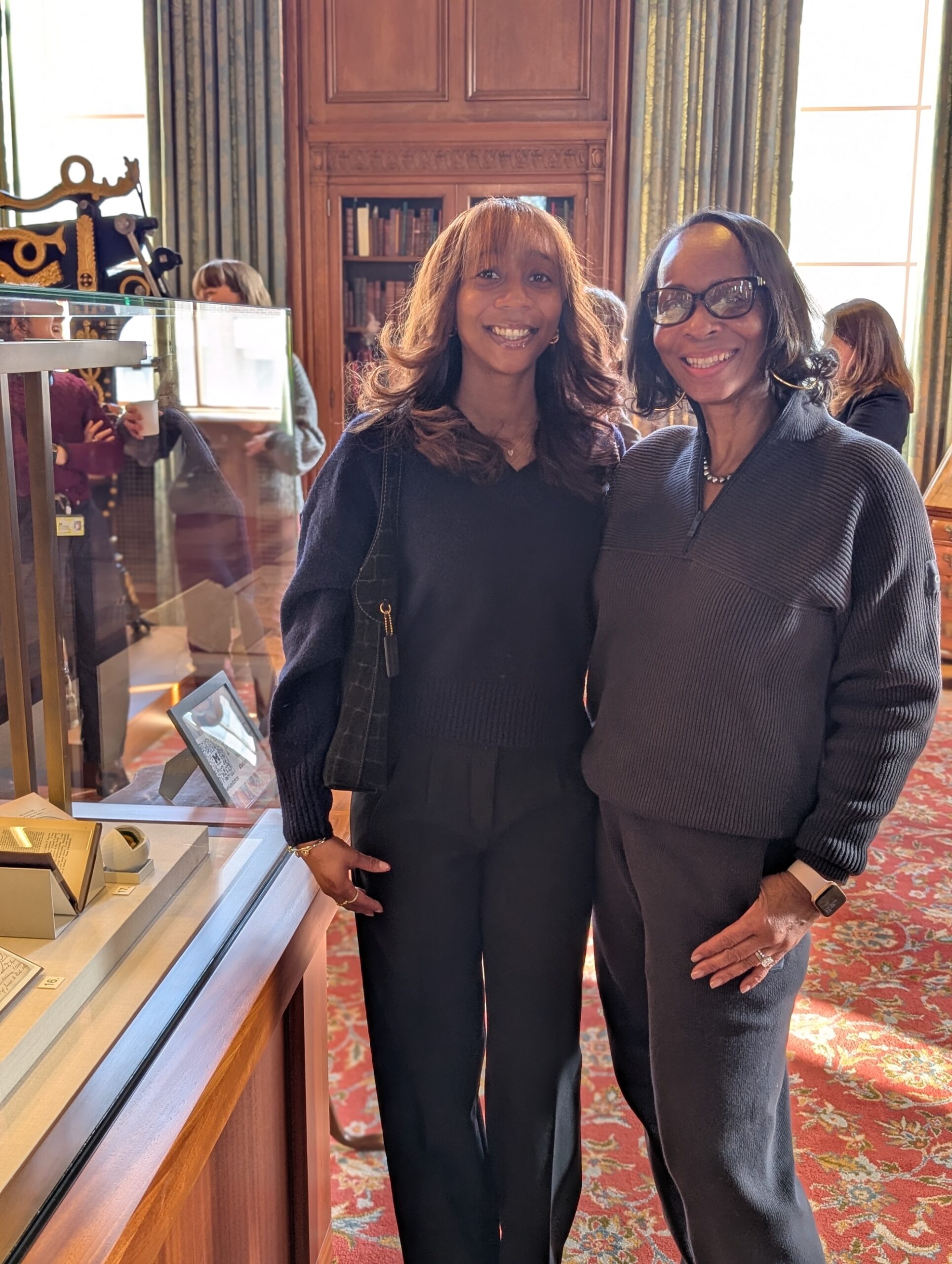
“I was looking for a class that was small in size, and that featured a nontraditional work environment,” said Jerry Yang, a senior studying political science. “I think the effect that this has, is that it allows a much higher quality of education, both in the classroom and at the Clements Library.”
Maggie Vanderford, Clements librarian for instruction and engagement and recent recipient of the University Librarian Recognition Award, has hosted students in Murphy’s classes before, working with materials relating to Frederick Douglass. Collaborating on a student-curated exhibit felt, to Murphy, as the “logical next step” in his relationship with the Clements.
The exhibit “Revolutionary Paine” will be on display at the Clements Library through May 8. Visit the library weekdays noon-4 p.m. or view the exhibit online.
Located on the campus of the University of Michigan, the William L. Clements Library collects, preserves and makes available historical resources about the Americas, with particular strengths in 18th and 19th century American history. The mission is to collect and preserve primary sources, to make them available for research, and to support and encourage scholarly investigation of our nation’s past.