How changing ice conditions impact Great Lakes communities
Study reveals new insights into concerns about how changing ice coverage is affecting recreation, business and even the identity of coastal communities
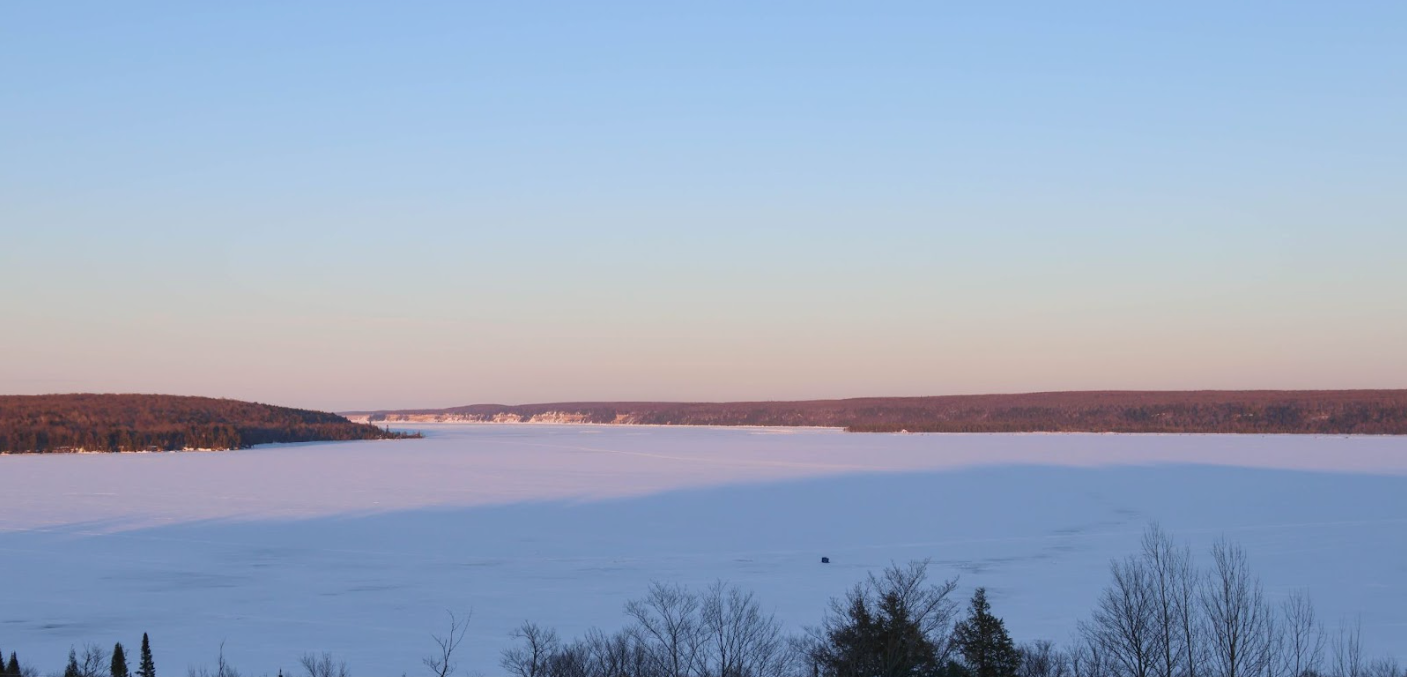
A research collaboration, including a team of students from the University of Michigan, have published a new report that dives into an understudied aspect on changing ice cover on the Great Lakes. Namely, how do residents, business leaders and other stakeholders in the region perceive these changes and their impacts on their lives?
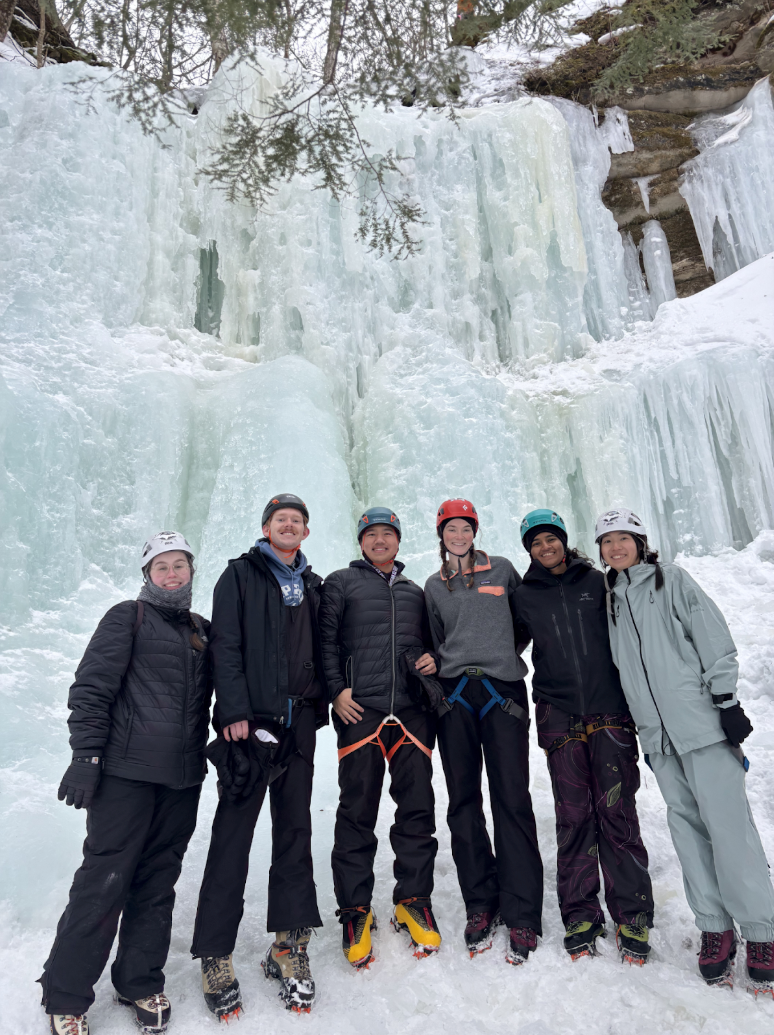
“We have a lot of data and observations about ice cover on the Great Lakes, but a lot less information about, ‘What are the social impacts on coastal communities?'” said Jack Day, a graduate student research assistant at the U-M School for Environment and Sustainability, or SEAS. “This report is the first study to try and comprehensively examine that question.”
Day is one of six SEAS student researchers who authored the study with support from the Great Lakes Observing System, or GLOS, and the Cooperative Institute for Great Lakes Research, or CIGLR. The team surveyed nearly 300 respondents from coast regions around the Great Lakes and conducted more in-depth interviews with 41 stakeholders from sectors including business, academia, local government and business.
From the surveys, the team learned that 75% of respondents rate ice-related activities as important to their communities and culture and that 85% of respondents believe that ice coverage has decreased. Despite high annual variability in ice cover, this tracks with broader quantitative trends. For example, the maximum ice cover on the lakes has decreased by about 5% per decade since the 1970s.
With its surveys and interviews, the team drilled into ways that shrinking ice cover was affecting communities. Among the most cited concerns were negative impacts on ice fishing, a reduced sense of place and regional culture, and shrinking opportunities for winter sports, tourism and recreational activities.
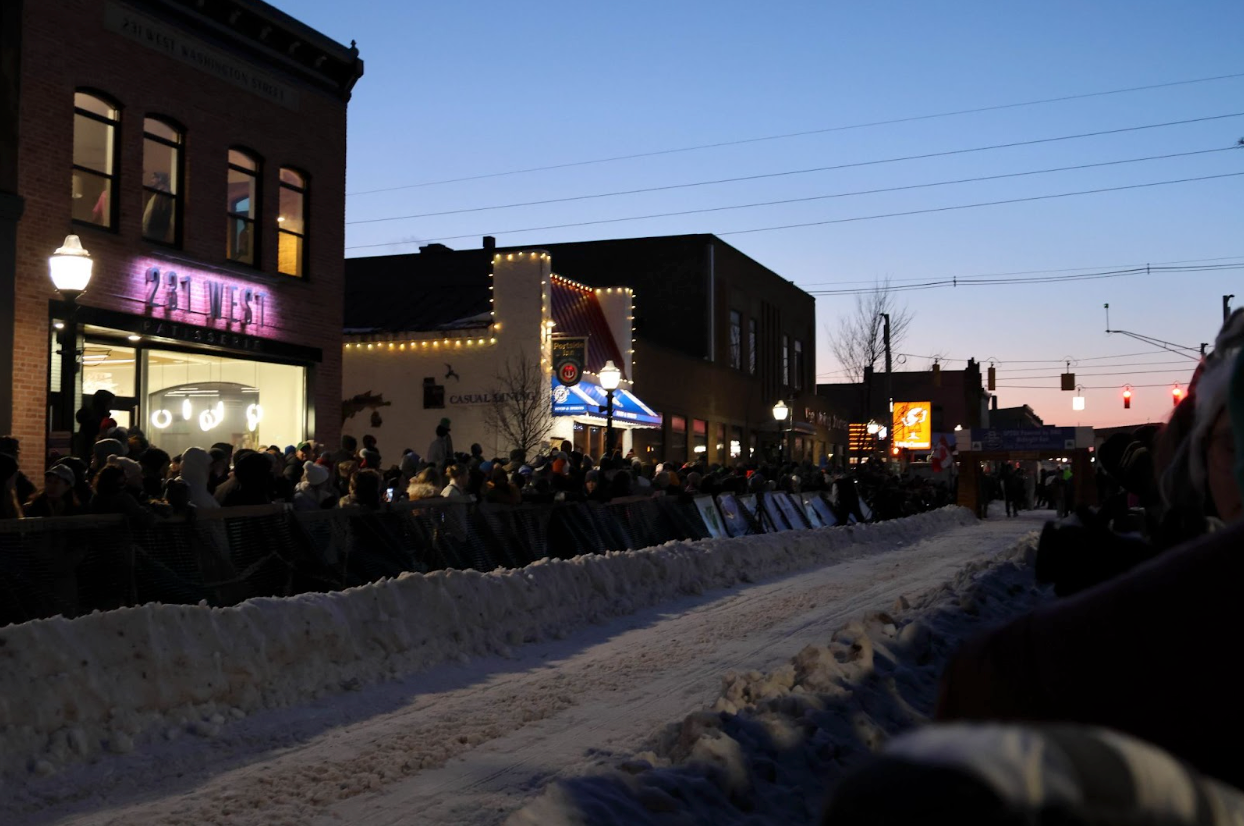
“This study not only advances our understanding of how the local communities have experienced the changing winter conditions—which will help researchers better frame impactful research questions—but also documents for the first time the direct human dimensionality of changing winters for the Great Lakes region,” said Shelby Brunner, a science and observation manager with GLOS.
The researchers also included recommendations for future work that could build on this study to better understand how changing ice cover is impacting communities and help communities become more resilient to those changes, including:
- Promoting more comprehensive studies of the economic impacts of changing ice cover
- Emphasizing coordination and collaboration with tribes and local governments in future projects
- Maintaining, if not expanding, funding for agencies that study and serve the Great Lakes, including the Coast Guard and the National Oceanic and Atmospheric Administration
- Encouraging community science projects, like a project supported by GLOS where ice fishers can submit ice thickness data
“Our recommendations apply to anyone who interacts with lake ice, from those who simply just enjoy watching ice to those who make a living through it,” said Maryn Cunningham, a graduate student researcher and study co-author.

Although many of these recommendations apply to future work, the team said residents can use what’s in this first report to engage now with each other and local leadership to raise awareness and inform governance. Combining this social engagement, future socioeconomic research and ongoing quantitative observations of the Great Lakes can help build a more robust support network for communities, the team said.
“This capstone project, led by a team of six SEAS master’s students, is a valuable first step toward addressing that human dimension and strengthening the interdisciplinary Great Lakes winter science effort,” said Ayumi Fujisaki-Manome, associate research scientist with CIGLR.