Mapping Michigan’s airborne microplastics

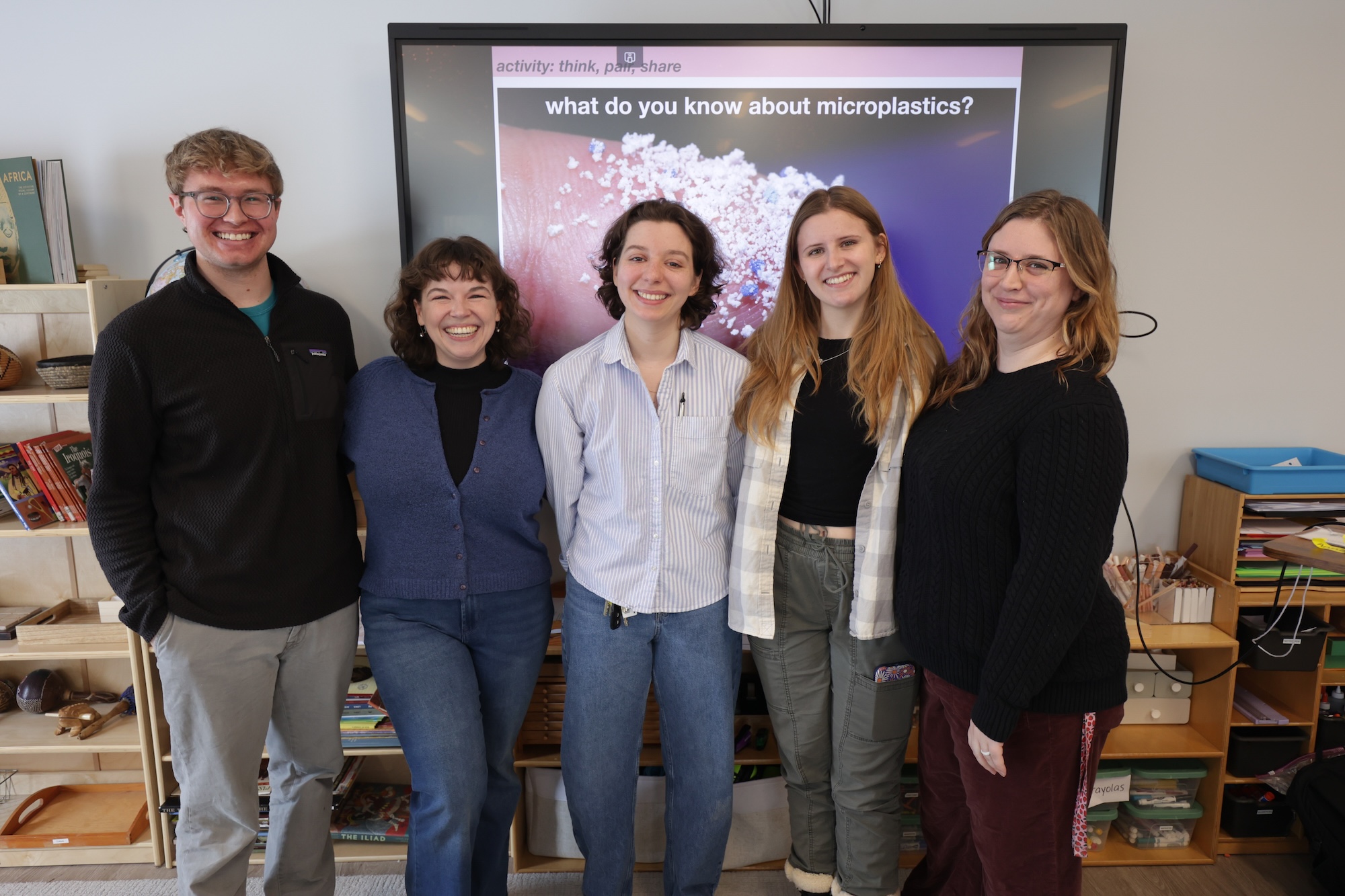
David Lee knows microplastics.
He’s read studies about microplastics and listened to podcasts about the issue. He picked degraded plastics off the beaches in San Francisco, where he worked in finance throughout the early 2000s and participated in beach cleanups. There, he saw firsthand how discarded plastics can break down into tiny pieces that litter the environment.
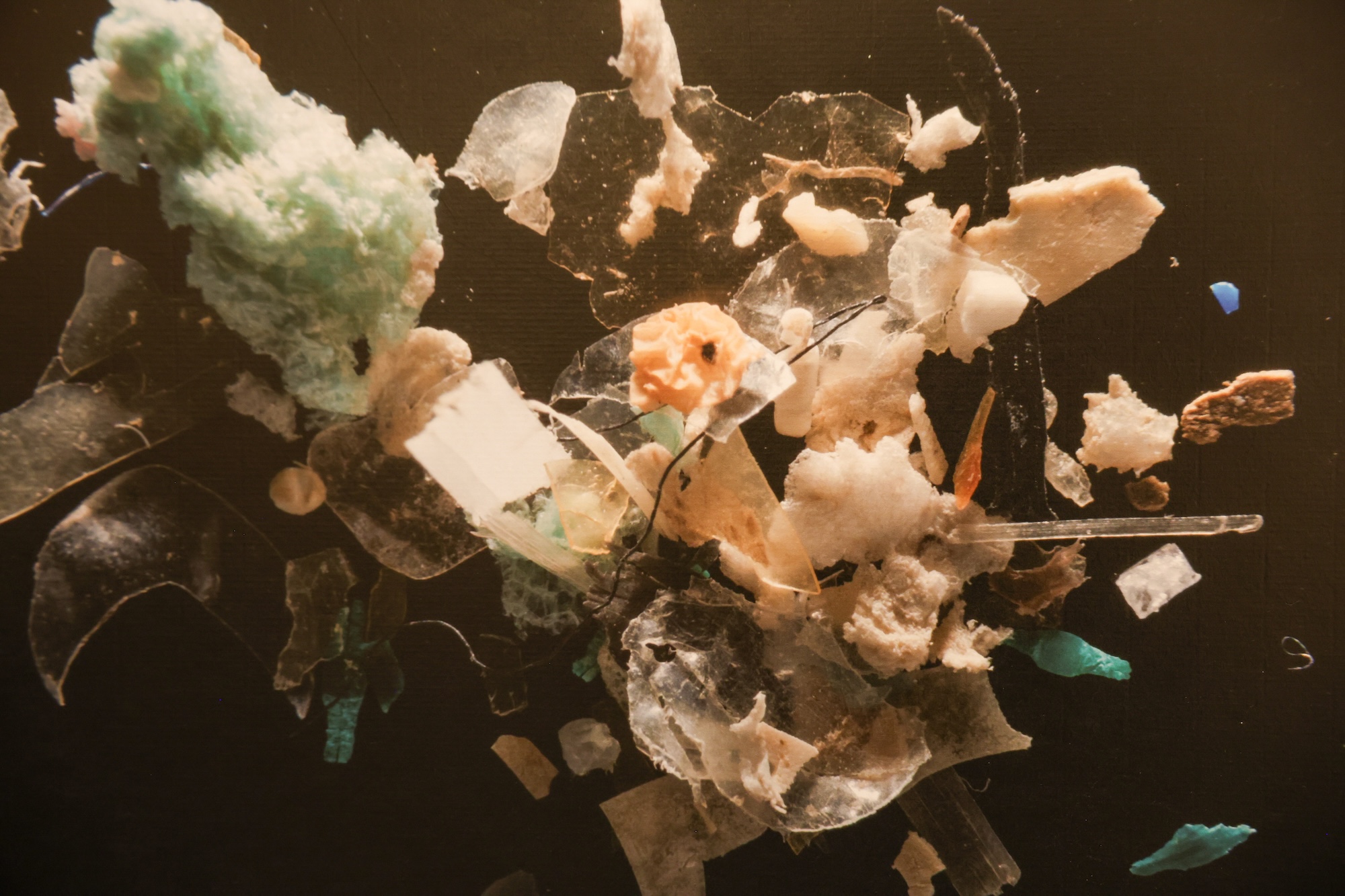
Microplastics are bits of plastic that range in size from a pencil eraser down to miniscule filaments invisible to the human eye. They result from plastic litter breaking down in the environment, particles shedding from tires, synthetic fibers sloughed from clothes, or industrial waste. They’ve been found in the bellies of fish and birds, and can accumulate in the systems of most types of wildlife—and even in the lungs, tissues and brains of people.
For Lee, environmental awareness was threaded throughout life in California. Now Head of School at Daycroft School in Ann Arbor, Lee says the same kind of awareness of and care for the environment is intertwined with the Montessori school’s mission, and students at the school faithfully recycle and reduce the amount of plastic they use.

But microplastics in air? That’s not something that had crossed his mind—not until he met Anne McNeil, a professor in the University of Michigan’s Department of Chemistry and parent of one of his former students.
“Plastics in the water—that was very tangible. We saw (microplastics) in the ocean. Studies and articles I’ve read about in the water were concerning, but I never thought about it in the air,” Lee said. “I thought it was fascinating.”
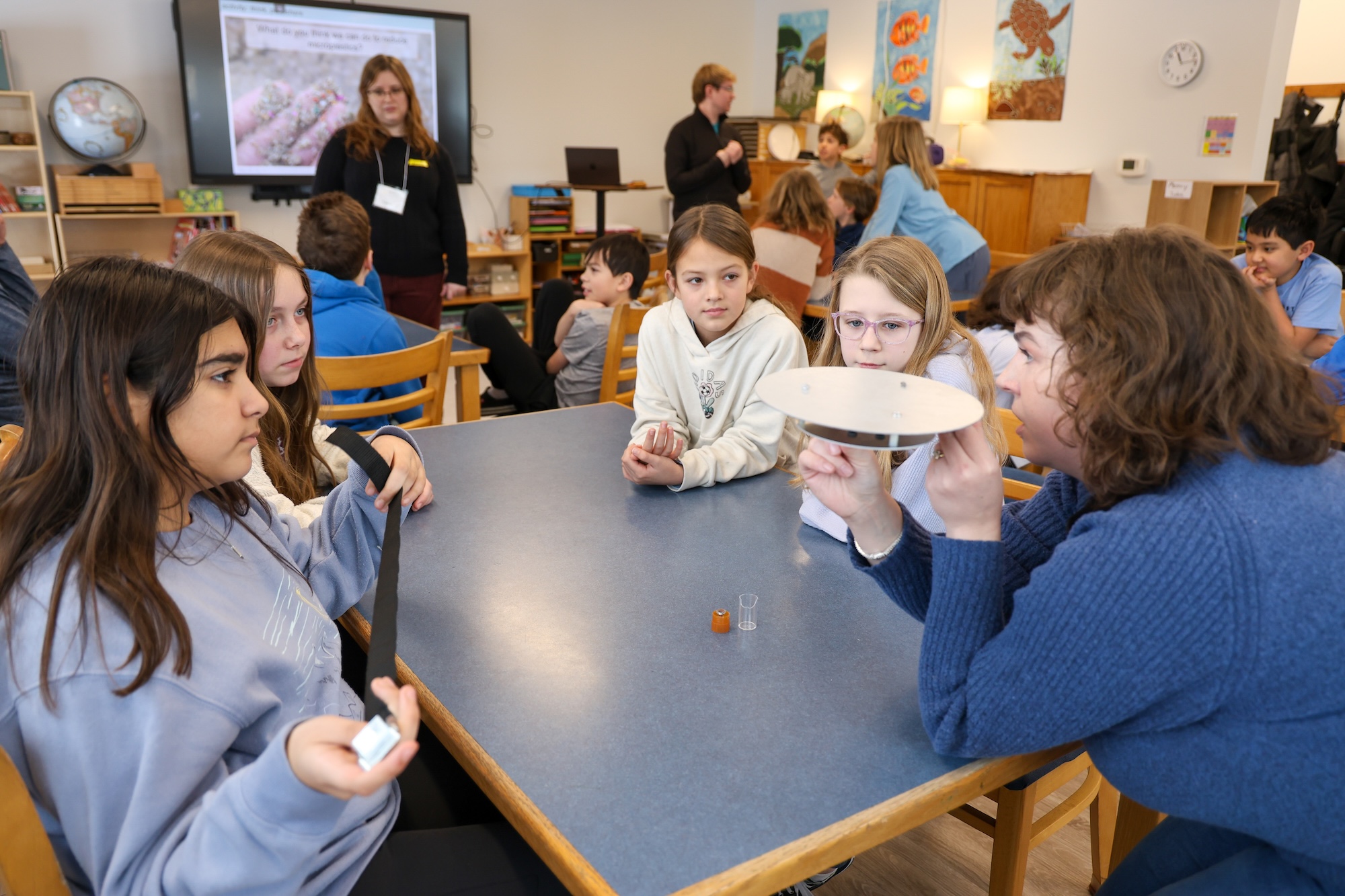
McNeil approached Lee about placing an air sampler in Daycroft School’s parking lot in 2023. The sampler would be placed there for a year, gathering particles as the air passes through it, in order for U-M scientists to study what plastics might be floating in the atmosphere above the school.
McNeil is leading a project called Measuring, Modeling and Mapping Microplastics in the Atmosphere of Michigan, or M4AM. The grant, awarded in 2022, is part of a research initiative funded by the College of Literature, Science, and the Arts called Meet the Moment, created to help faculty research address “today’s most pressing societal issues with the intention of creating real, lasting change.”
The group, which includes researchers from statistics, chemistry and engineering, aims to create a map of where microplastics in the state’s atmosphere are concentrated, what produces them and where they travel, in hopes that Michiganders will be able to understand how microplastics pollution in the air may impact them.
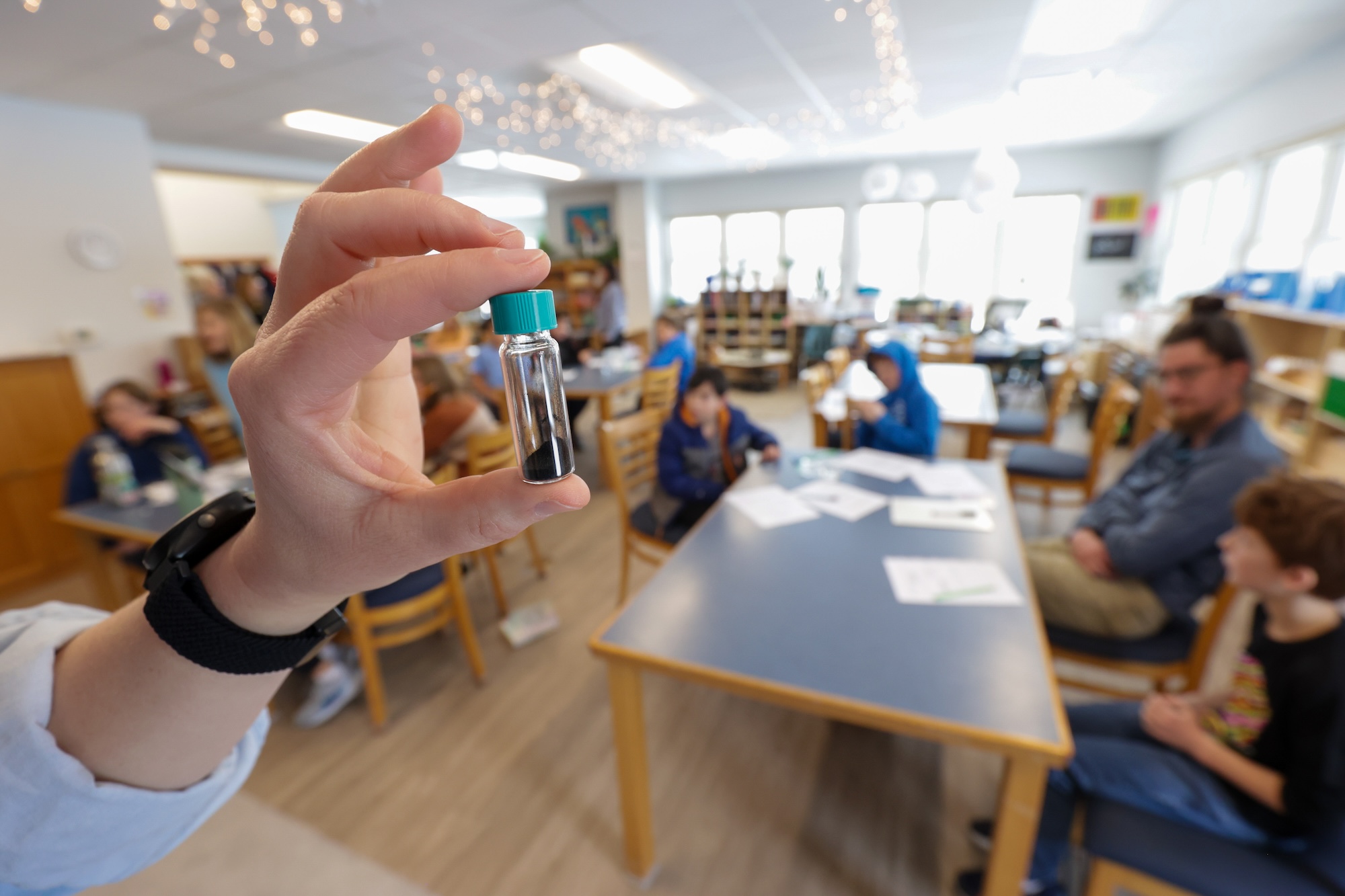
McNeil says there have been few studies that track microplastics in this way—and they’ve mostly been done in large urban areas such as Paris, Shanghai and London, or in high, mountainous regions. There have been fewer than five studies based in the United States, all in national parks in the western and southwestern U.S. More recently, studies have taken place in Appalachia and New Jersey—but none so far in Michigan.
“Nobody knows what’s in our air in terms of microplastics in the state of Michigan. And not only do we not know what’s out there, we don’t know how much is out there,” McNeil said. “The smaller the microplastic, the farther they travel and the more damaging they are to your lungs. There’s just no information, and that’s surprising. It’s such an understudied problem and we have the opportunity to do something about it.”
Gathering data
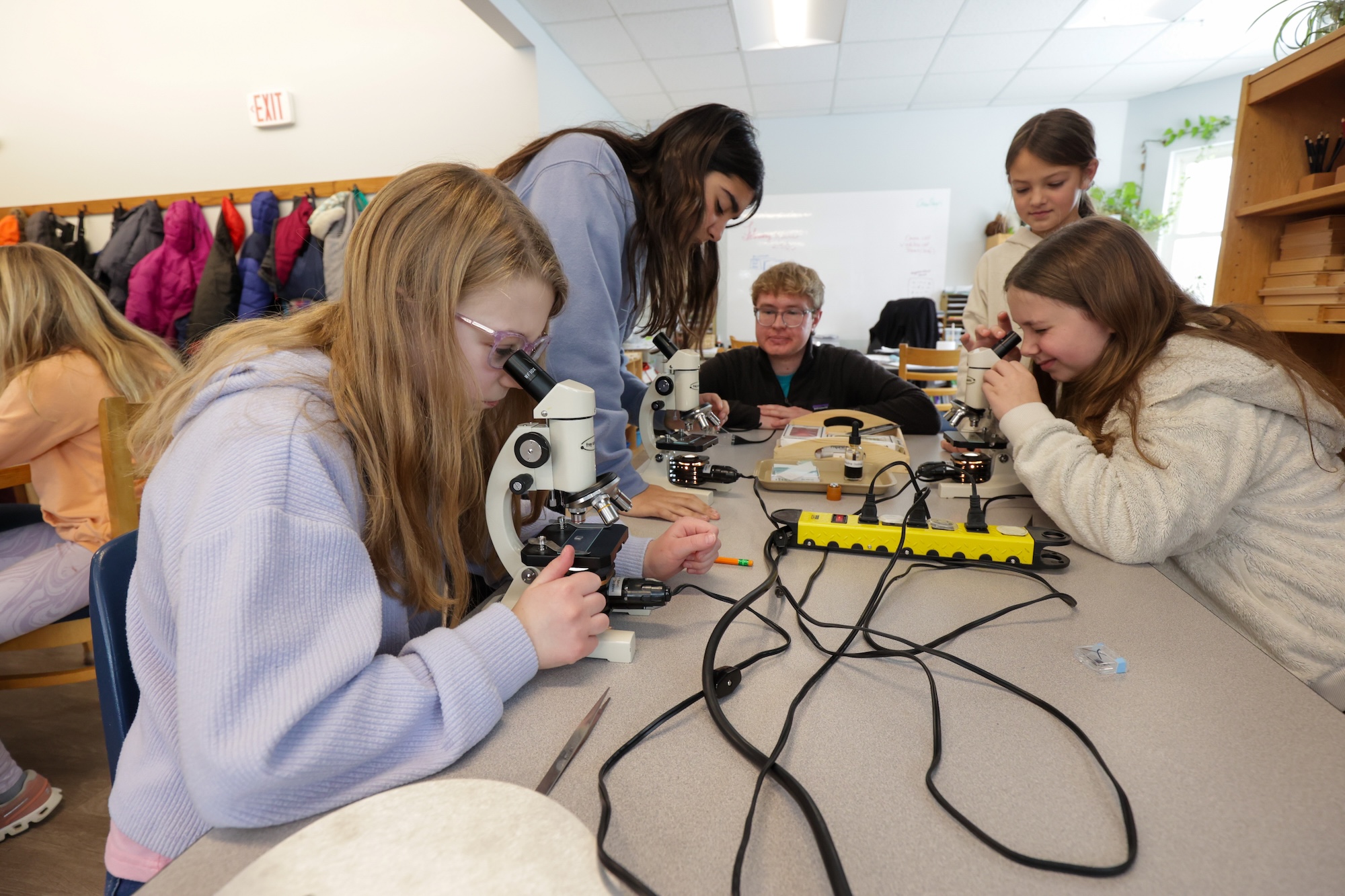
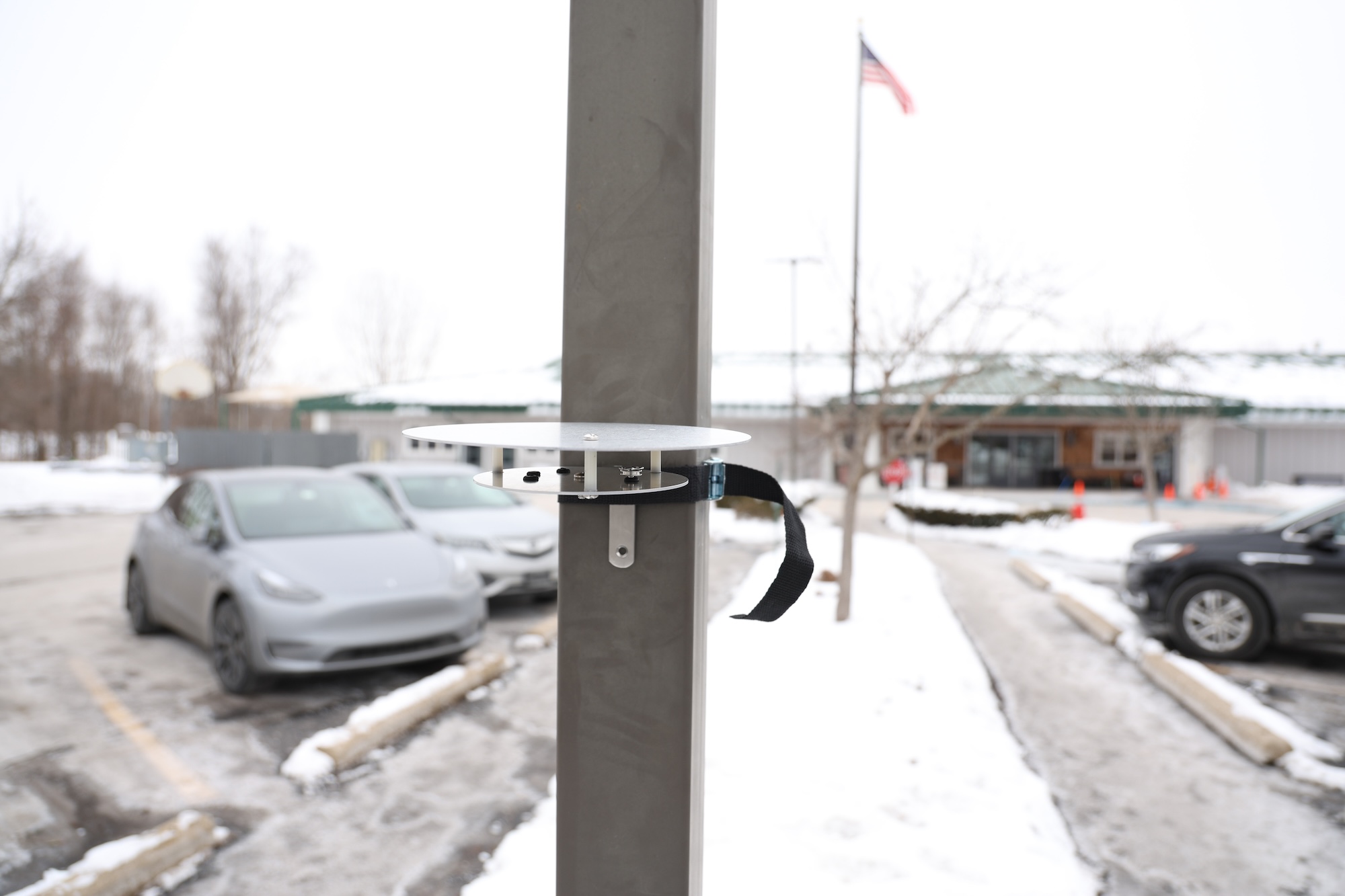
In the parking lot of Daycroft School, U-M graduate student Abby Ayala wraps the strap of an air sampler around a light pole, her hands reddening in the frigid February air. Air flows through the device, composed of two aluminum plates stacked together. Sandwiched between the aluminum plates is a solid metal substrate which collects particles from the air.
“It’s important to study microplastics because it’s truly an anthropogenic pollution source. Humans produce plastic, and that plastic is breaking down or it’s intentionally produced to be small for things like abrasives. Then, it’s getting into our air,” said Ayala, one of the graduate students working on the M4AM project. “We don’t fully know how it interacts with the body yet. We’re inhaling these plastics, they’re getting into our lungs, and we don’t know what they’re going to do.”

The Daycroft sampler is at one of 12 locations around the state of Michigan. Recent doctoral graduate Madeline Clough, working with McNeil, began the project with samplers placed in four school parking lots to target vehicle- and foot-traffic-related microplastic sources. In addition to Daycroft, the researchers placed samplers at Fowlerville High School in Livingston County, Intercity Baptist High School in Wayne County and International Academy Okma in Oakland County.
Ayala has placed eight more samplers across the state, at an Ann Arbor residence, along the Lake Michigan coast near Holland, on a farm in Dexter, near a Detroit school, on the U-M Campus Farm, at the U-M Biological Station, at a residence in the Upper Peninsula’s Houghton, and at a residence in Kalamazoo.
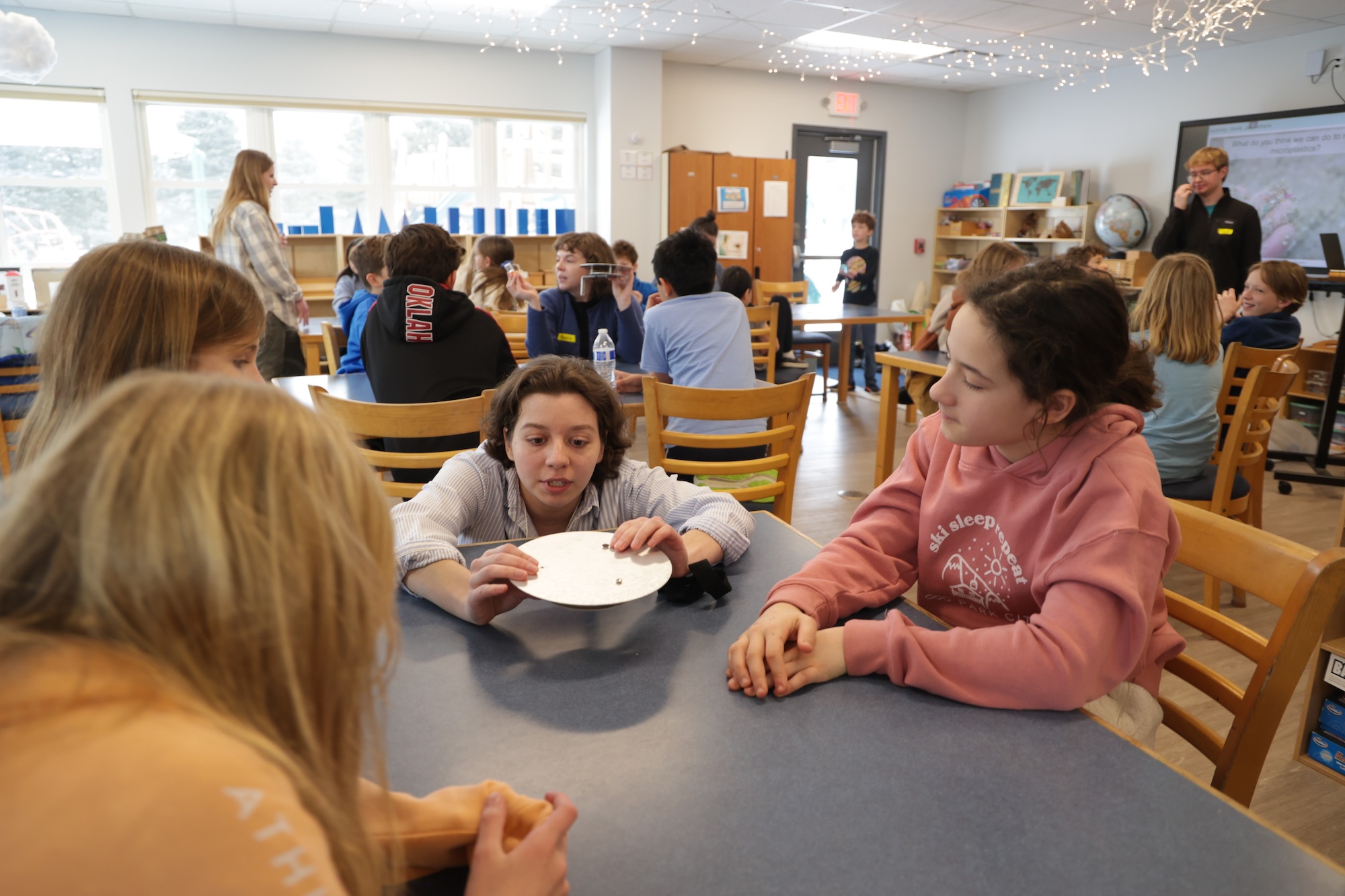
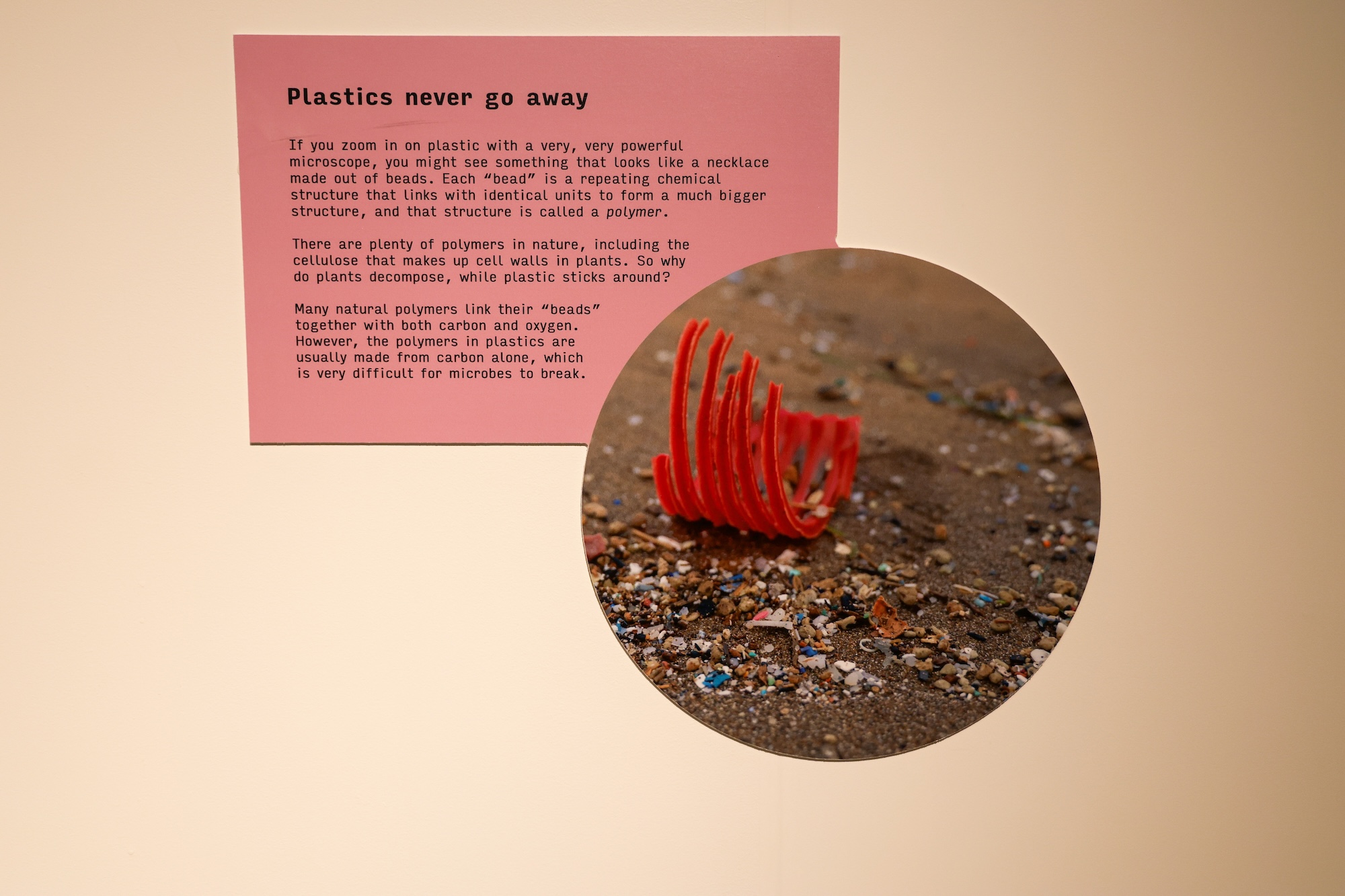
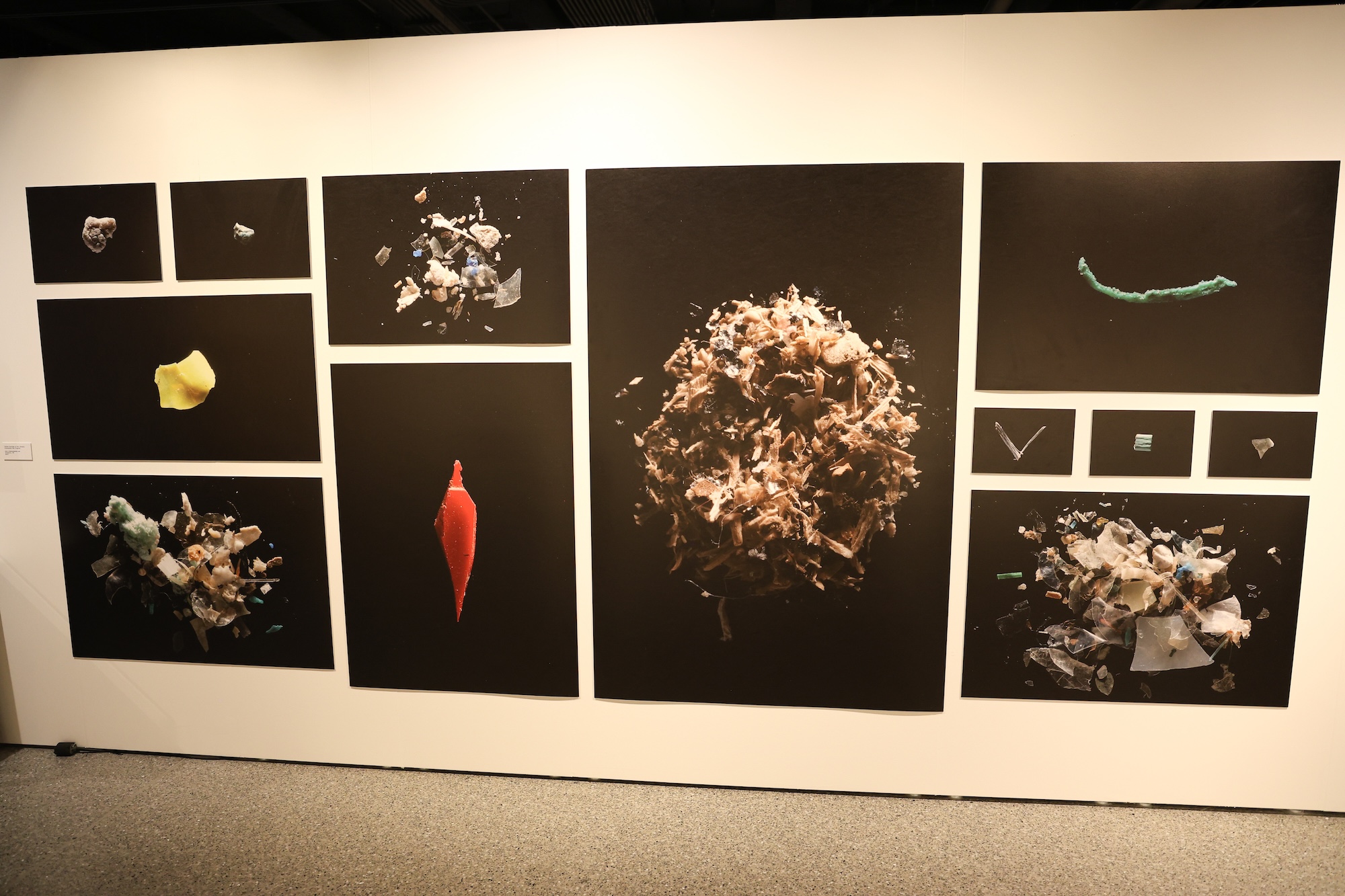
Each sampler is set at a height of five feet to best mimic human breathing height, Ayala said. The samplers remain at their locations for a year, with the substrates swapped out monthly. Initially, the researchers hoped to place samplers in each of Michigan’s 83 counties to create a comprehensive map of the state’s atmospheric microplastics. However, the amount of data each sampler generates is prodigious. Over a month’s time, each substrate captures about 16,000 particles, which range from microplastics to dust and pollen.
Data from the first four samplers took Clough a year to comb through. The researchers use a method called spectroscopy to identify what kind of microplastics are in their samples. Each type of microplastic interacts with light differently when researchers shine a specific kind of light on it. The unique spectra of each microplastic helps scientists identify it.

But microplastics are definitionally tiny. McNeil’s lab was not equipped to identify plastic particles so small they can float in air. McNeil’s colleague, U-M professor of chemistry Andrew Ault, studies aerosols, frequently focusing on how bacteria and toxins from harmful algal blooms in lakes become airborne when waves crash against shorelines.
His lab uses vibrational spectroscopy techniques that use light to identify particles, including not only whether a particle is plastic, but what type of plastic it is. It can also look at a particle just one millionth of a meter.
“We are uniquely capable of looking at particles below a micron in size,” Ault said. “We can see the stuff that stays up in the air, the stuff that’s small enough that it will actually interact with our body in a harmful way.”
Clough also realized that an old method used to identify microplastics in the environment could lead to misidentifying the particles—especially when the microplastics become degraded from being out in the environment. And she also found conventional spectroscopy methods can lead to misidentifications, something she likens to when the music app Shazam misidentifies a song based on one guitar lick or percussion track.

With Ambuj Tewari, professor of statistics and member of the M4AM group, the researchers developed a framework to help them more confidently predict the identity of each plastic particle, something that has been particularly useful when the researchers have tens of thousands of particles to examine.
So, what’s out there?

Some of the microplastic in our atmosphere comes from tires and brake wear. Laundry is another source. As we wash and dry our clothes, fibers from our clothes vent out through our laundry exhaust and into the air. Allison Steiner, professor and chair of the Department of Climate and Space Sciences and Engineering at Michigan Engineering, specializes in tracking how pollen wends through the air. She joined the group to help model where microplastics might travel when they become airborne.
The project so far has been challenging. Microplastics are shaped differently than pollen, but because so little data on atmospheric microplastics exists, researchers don’t know how airborne microplastics are shaped exactly, or how big they are.
“That’s one of the reasons why it’s a little different from pollen,” Steiner said. “For example, microfibers would have a very different settling velocity out of the atmosphere than a regular particle. That’s the kind of thing that’s a little bit trickier to model.”
The group has broadly categorized the sources of microplastics: tire and brake wear, textiles such as laundry, agriculture and the Great Lakes. When plastic makes its way into the water, it breaks down into smaller and smaller pieces, some of which can be launched into the air as waves break against the shore—although early model simulations from Steiner’s group suggests that less than 1% of atmospheric microplastic comes from the Great Lakes.
Most, Steiner says, appears to be coming from traffic, followed by textiles. Agriculture and lake action were relatively small contributors. She plans to take this information as well as the McNeil group’s identification work to start modeling where these microplastics are traveling.
“Most of the studies that have been done on microplastics so far have been on scales that are very broad,” Steiner said. “It makes it hard if you’re in Michigan and wondering what that really means for you. Our project is trying to understand how microplastics are impacting all communities in Michigan, whether it’s urban areas like Detroit, which we hypothesize is going to be different from a farming community in central Michigan.”
Some of the project’s first studies to categorize Michigan’s atmospheric microplastics are now being published. Steiner and graduate student Anna Schellin modeled the sources of microplastics, suggesting that nearly 75% of the microplastics in Michigan’s atmosphere may come from tires, 25% from clothing and 0.1% from agricultural practices. Clough says the team is hoping to refine these estimates from data from their first four samplers.
Clough’s upcoming study shows the team has found more microplastics than what previous research has reported—potentially because of the specialized instruments available at U-M, which have allowed the researchers to look for microplastics more than 20 times smaller than other reports. This analysis does not report tire wear, however, which Clough will examine in her forthcoming study.
Regardless of what types of microplastics inhabit our air, the U-M researchers want Michiganders to be able to understand what they might be breathing.
“Our end goal is to inform the public,” Ayala said. “We have three phases over a five-year period, and the initial two phases are working to collect all this information. Within the next two years, our goal is to distribute this information to the public to make them aware of the air they’re breathing, and the potential microplastics that might be in it.”