U-M experts explore benefits, harms of AI for people with developmental disabilities

RESEARCH TO WATCH
WHAT’S THE STUDY: The Science, Technology, and Public Policy program at the University of Michigan’s Ford School of Public Policy is embarking on a project to explore the potential benefits and harms of artificial intelligence to support people with developmental disabilities, their families and direct-care workers. Researchers are working with the state of Delaware Division of Developmental Services, which has provided funding, and plan to share findings to inform and empower members of the National Association of State Directors of Developmental Disabilities Services.
WHY IT MATTERS: As many people with developmental disabilities are living longer than they did a generation ago and their parents age, the Delaware Division of Developmental Services is considering new tools and processes to help them stay in their homes and foster independence. Many AI technologies promise to provide support for people with developmental disabilities and their caregivers, but they may bring hidden risks and threats—and the benefits and harms of new technologies are not distributed equally.
People in historically excluded groups across ability, race, gender and income level are more likely to be affected by decisions about adopting technology like AI tools—and less likely to benefit.
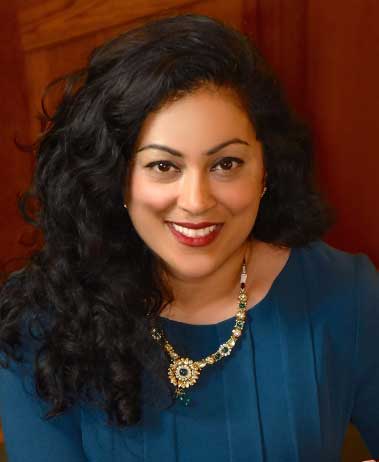
HOW MUCH AND FOR HOW LONG: The initial grant is $30,000 for one year, and researchers hope it leads to a larger, longer collaboration.
WHO IS INVOLVED:
Shobita Parthasarathy is a professor of public policy and director of the STPP. Much of her work has focused on the governance of emerging science and technology, particularly those that have uncertain environmental, social, ethical, political and health implications.

“STPP has deep expertise working with civil society groups and governments to understand the implications of emerging technologies, including AI, for marginalized communities,” she said. “We are excited to support the Delaware Division of Developmental Disability Services to identify the benefits and risks of using AI for their constituents, and expect that our results will be useful for other people with developmental disabilities around the country as well.”
Molly Kleinman is managing director of STPP.

“We know there are invasive and extractive AI-driven products that can do real harm to their users, while other AI-based systems could facilitate autonomy and enable people with developmental disabilities to live full and happy lives,” she said. “Our goal with this project is to give government agencies that serve developmentally disabled people the tools to identify which ones are which.”
Kristin Burgard is STPP’s community partnerships coordinator.