Farm stops: Bringing fresh food to Michigan communities all year round

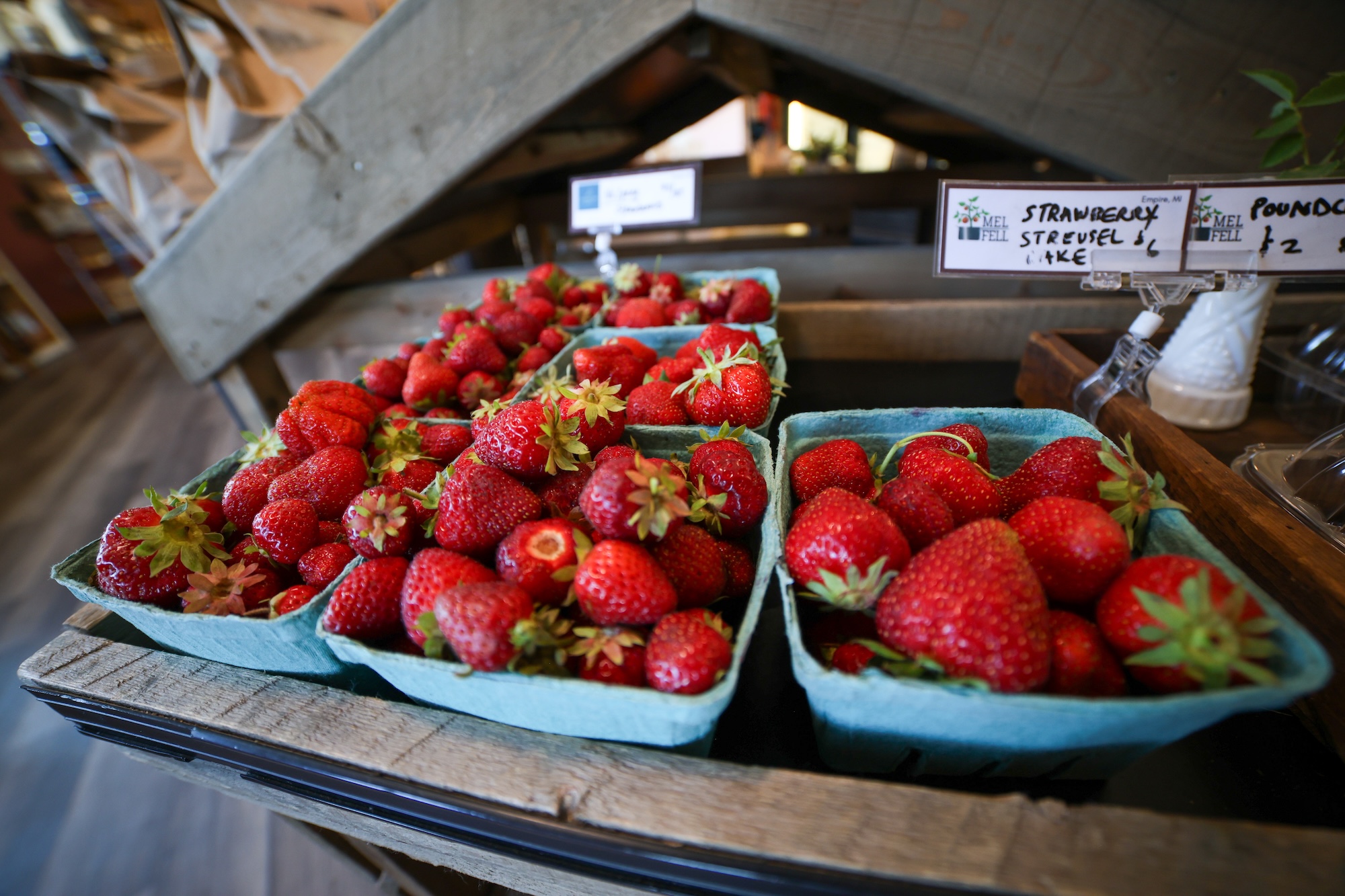
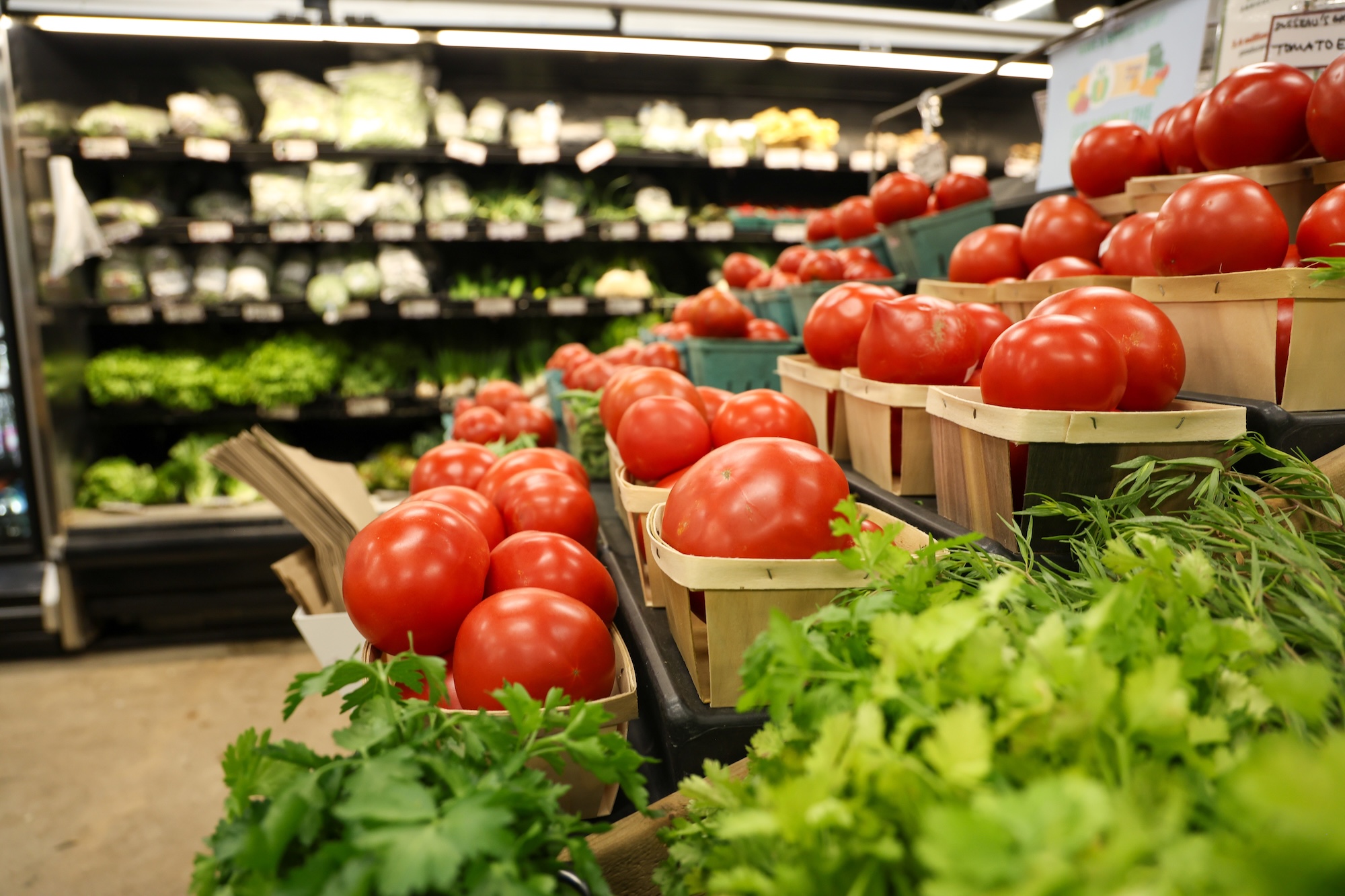
EMPIRE, Michigan—Lush, tender and perfectly ripe, “no spray” strawberries are delivered fresh from a local farm at the Lively NeighborFood Market on a recent July day.
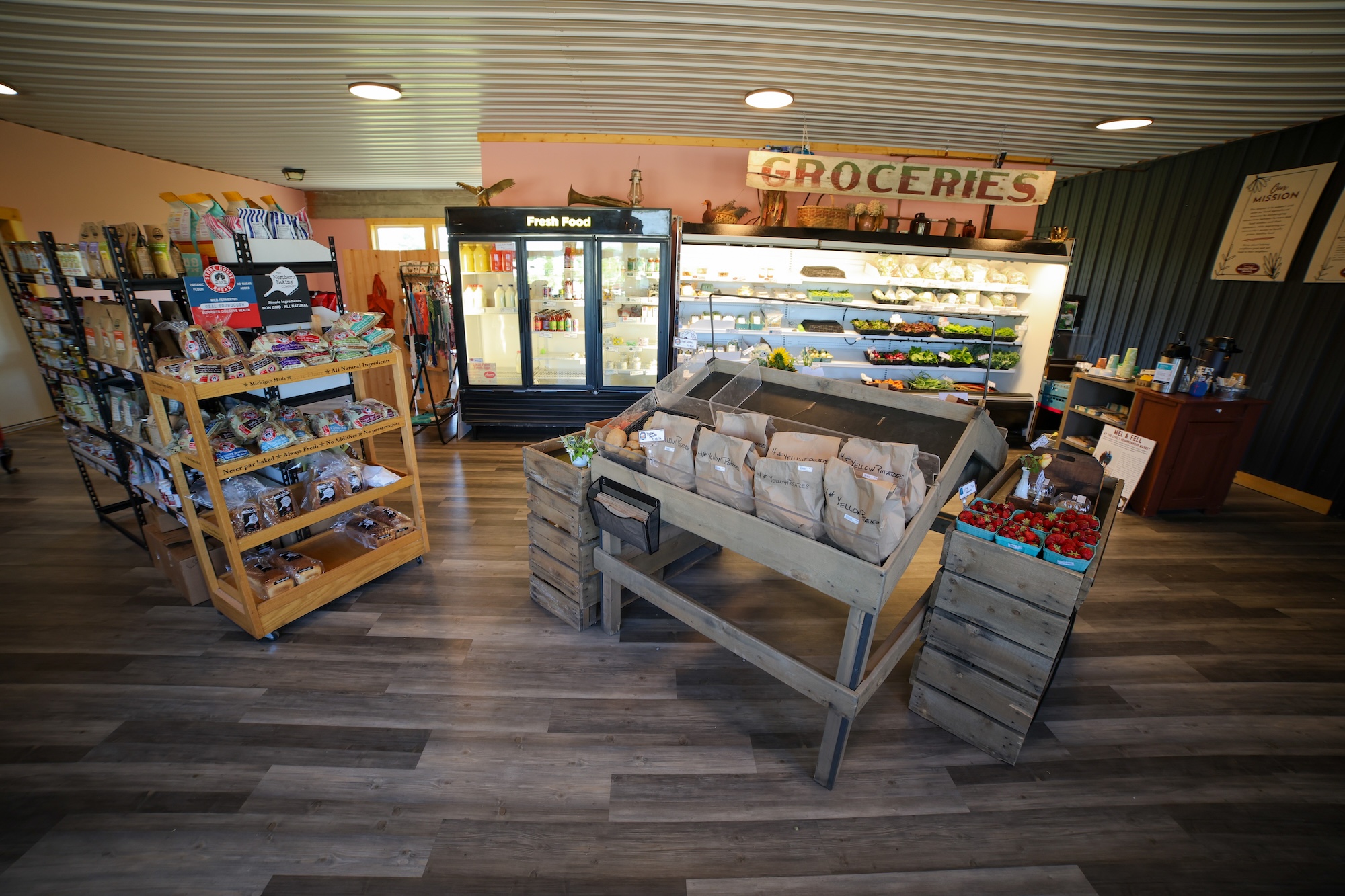
Situated on rural M-72 near Sleeping Bear Dunes in a 4,000-square-foot building on 20 acres once owned by the Fraternal Order of Eagles, Jim Lively saw an opportunity to create a year-round farmer’s market for the local community, which lost its grocery store several years before. Lively opened last summer and has already paid out $60,000 to local farmers.
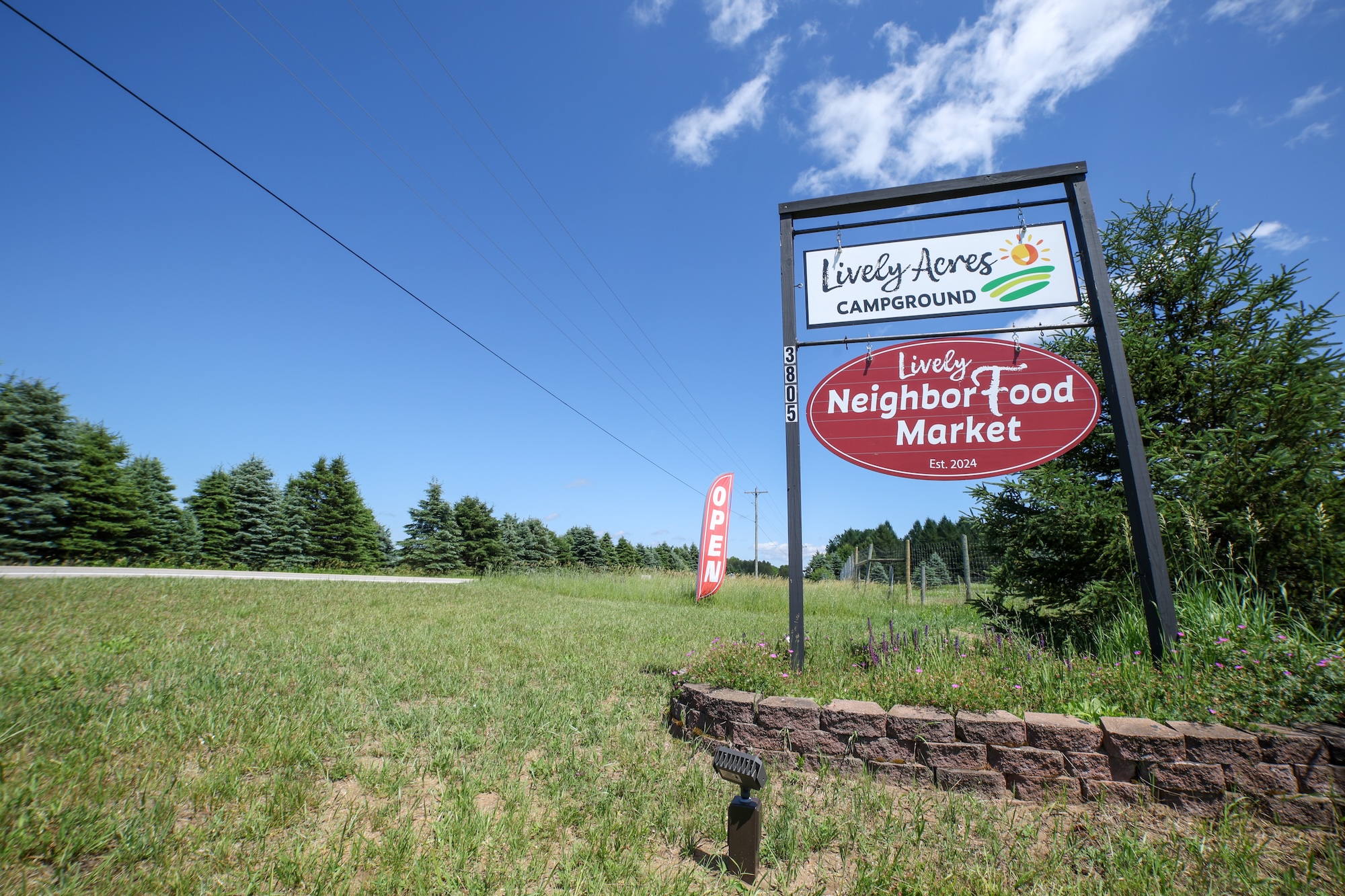
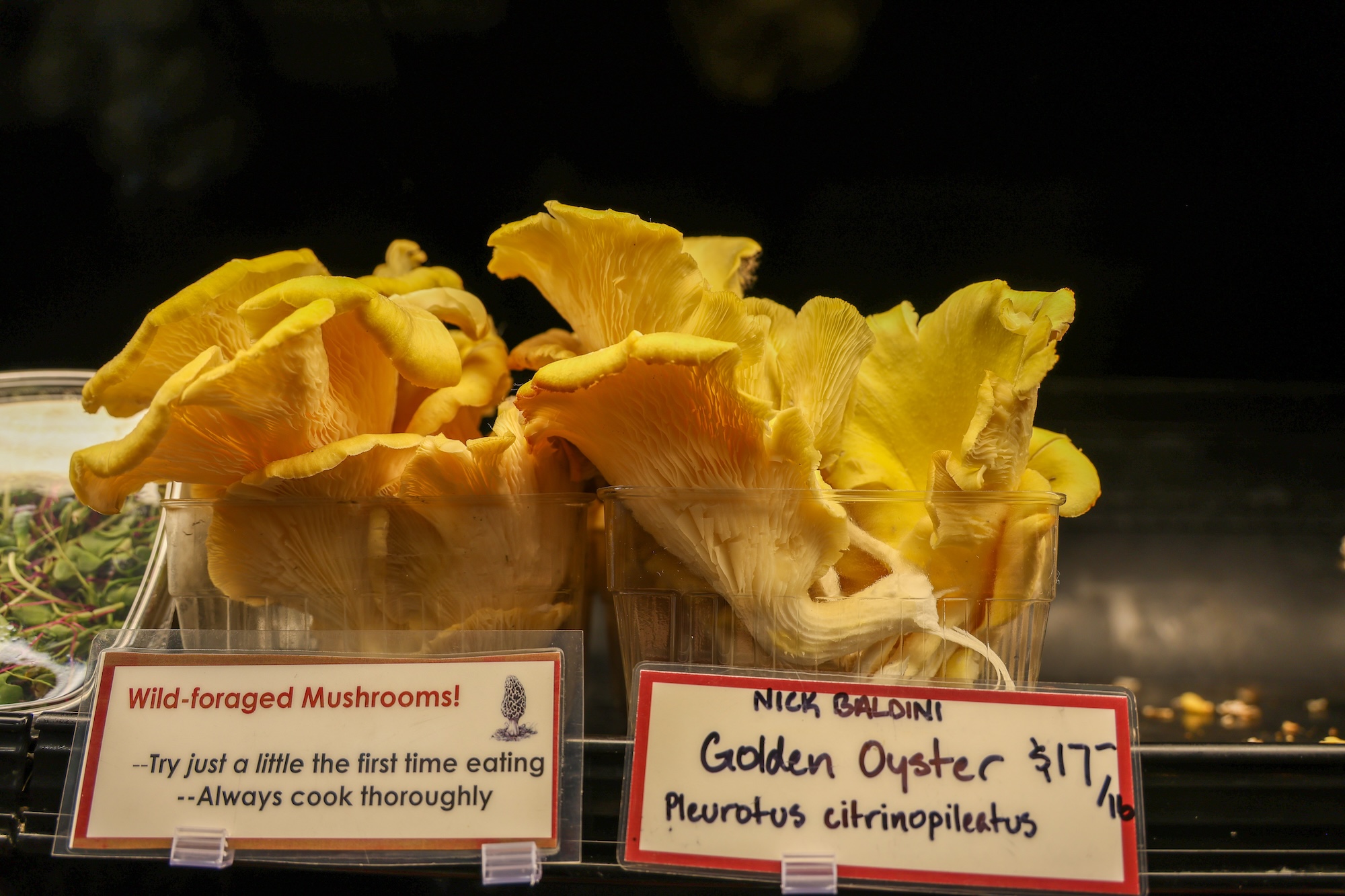
“We love our farmers. I mean, that’s really why we’re doing this, right? We have about 25 farms that are nearby that are providing various products” from produce, fruit, meat and dairy, Lively said. Throughout the year, he also receives specialty farm items such as chestnuts, Concord grapes, pumpkins, sweet corn and Christmas trees.
Lively modeled his market after the Argus Farm Stop started in Ann Arbor by University of Michigan alums Kathy Sample and Bill Brinkerhoff.

“Really and truly, without Argus Farm Stop’s help, this place could not have gotten started as quickly and as well as we have,” Lively said. “There’s so many decisions in a startup that you have to make, and to be able to call someone or to look at a model and say, ‘Well, this is how they did it, we’ll just start there.’ Having Argus to give us a model made all the difference.”
Argus Farm Stop opened in 2014 and has paid out more than $26 million to local farmers since. In the past couple of years, it has shared the farm stop playbook with classes and on-site visits and launched the National Farm Stop Conference in 2024. These efforts have helped to spread the concept to areas around the state including Chelsea, Marquette, Empire, Hastings, Benton Harbor and Jackson.
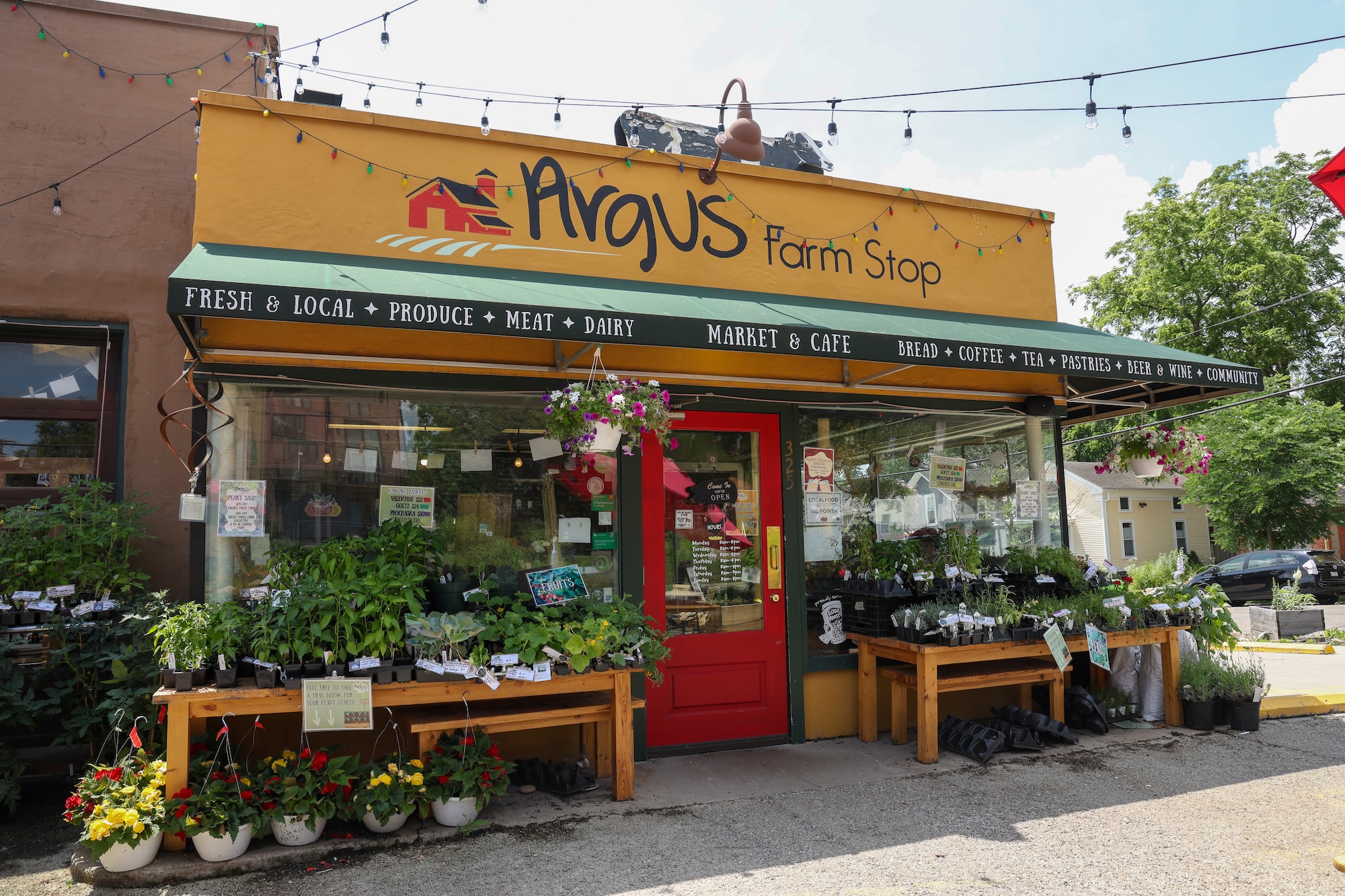
And importantly, the number of small farms in Washtenaw County is growing, partly due to the existence of a strong retail outlet like the Farm Stop for consumers.
What exactly is a farm stop?
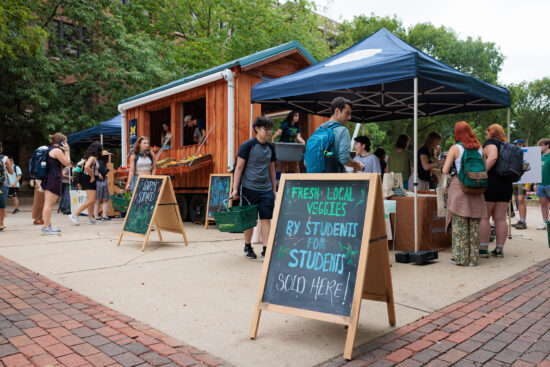
“A farm stop is a brick and mortar retail store open everyday that sells local goods, any farm products, so produce meat, dairy, baked goods, dry goods, and most of those sales are done in consignment so that the farmer still owns the goods,” said Casey Miller, external training manager for Argus Farm Stop.

Miller said the most recent farm stop conference attracted 200 attendees from 28 states to Ann Arbor. On top of that, Argus offers training on every aspect of opening and operating a farm stop—from site planning, building, hiring staff, choosing a point of sale system and working with farmers.
“It’s really exciting. I think that people are just looking for something to change the paradigm of food, and especially local food,” Miller said. “Farmers selling through a traditional grocery store will get 15 cents on the dollar for what they sell. Here at Argus, they get 70 cents on the dollar. So it’s been really, really impactful here in our community over the last 11 years. And so that word is getting around.”
Most farm stops are open seven days a week, creating a reliable supply of local food for consumers. Argus Farm Stop’s philosophy is if a community has a farmer’s market supplied with food grown locally and consumers willing to buy that local food, it can support a farm stop.
But unlike the farmers market, Argus Farms provides its farmers with a detailed report twice a month showing what they sold so they can track sales and profits and utilize that data to plan for future growth seasons.
“In rural communities across Michigan, across the country, traditional grocery stores are leaving rural communities, and they’re being replaced by things like dollar stores,” Miller said. “A farm stop maintains that connection between the community and the people that are in that community growing food. So there’s still a variety of local produce and fresh, healthy food available to their community.”
Earlier this year, the Michigan Department of Agriculture & Rural Development (MDARD) announced a grant program for farm stops with up to $50,000 in support to help the concept expand. The state, which has a robust farming community and ranks as the second-most diverse agricultural economy—with California ranking first. The Mitten State with 47,000 farms is the leading producer of tart cherries, squash, cucumbers, asparagus and dry beans, according to the Michigan Economic Development Corp.
“We want our customers to come here first, buy everything they possibly can for us, and then go to a big box store for their lemons or their bananas or the things that Michigan is never going to be able to grow. So we see it as a compliment to traditional grocery shopping, not as a complete replacement for a traditional grocery shopping experience,” Miller said.
Argus Farm Stop has three locations in Ann Arbor—Argus Liberty Cafe and Market, Argus Packard Cafe and Argus Packard Market.
Sample, of Argus Farm Stop, said it made sense to create training and the conference after being contacted by farmers around the state hoping to start their own farm stop. She just donated an old refrigerator to Grow Jackson, a nonprofit founded by U-M alum Jacob Inosencio that runs a community farm and plans a farm stop. Networking among farm stops across the country is growing, which is an important goal of the conference.
Farm stops in Michigan that Argus has assisted include:
These farm stops are in development in Michigan:
- Grow Jackson in Jackson. This nonprofit, doing work around food access, community gardens and community education, plans to open a farm stop sometime in 2026 and just received a $46,000 grant from MDARD.
- Mill Street Market in Hastings. A multiuse project, funded by the Barry Community Foundation, including mixed-income housing, a day care and farm stop will likely open in late spring 2026.
- Benton Harbor Fruit Market in Benton Harbor plans to turn into a multiuse farm stop, food hub, incubator kitchen and community education space.
“Something that’s kind of unique about them is that all farm stops wherever they are, have some sort of high margin or higher margin business piece of their business that helps subsidize the market,” Sample said. “For Argus, it’s our cafes. For Lakeshore, they brew their own kombucha and they also do hot prepared foods.”
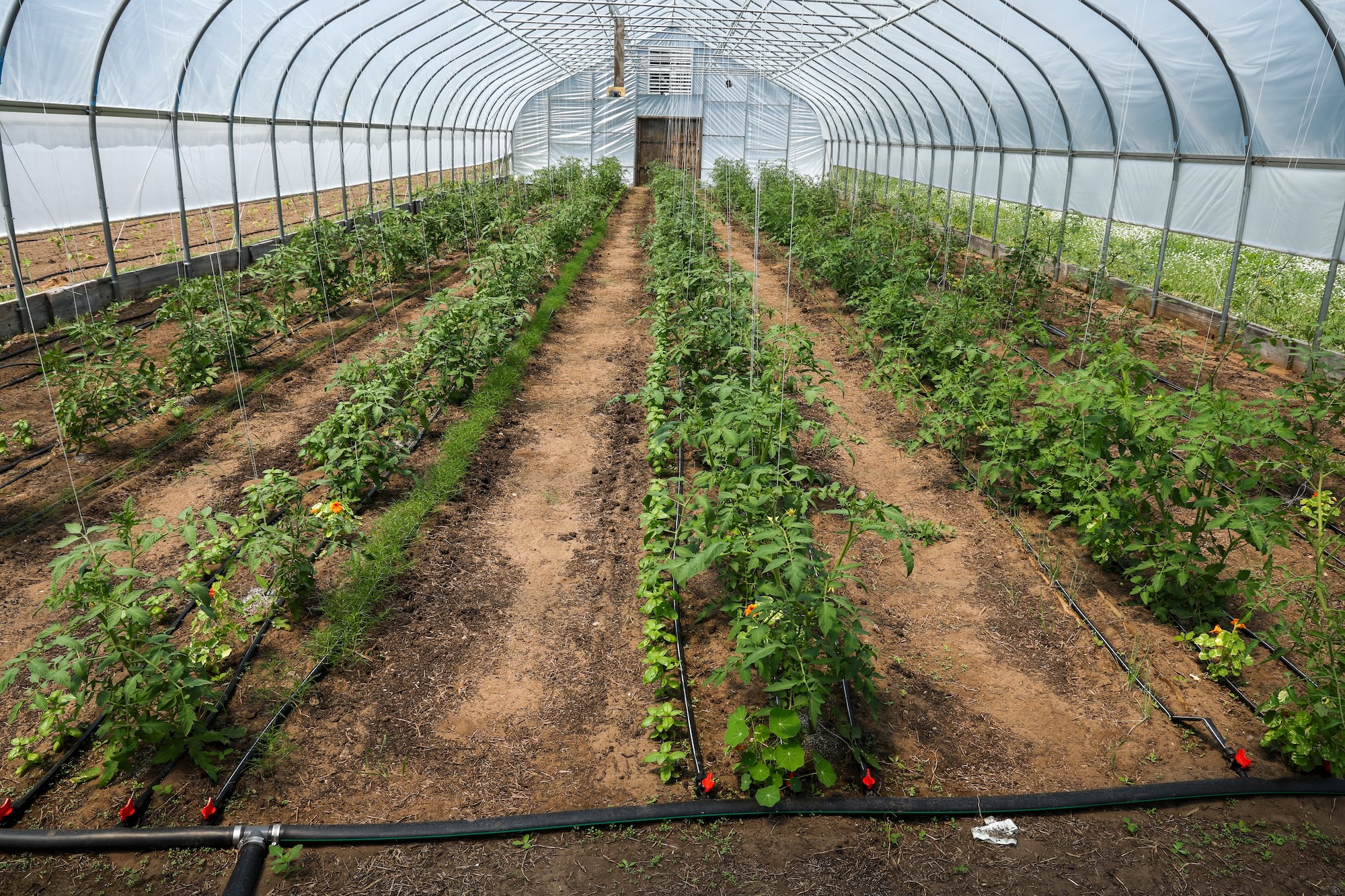
And at Lively NeighborFood Market, which sells food grown by neighbors to neighbors, Lively sells meals prepared by Mel & Fell Catering in the commercial kitchen using local ingredients. It’s all hands on deck for the Lively family—daughter Marley runs the market, daughter Jane and mom Kelly run the farm with about four acres of produce and flowers, while another daughter manages events in the campground.
“I leaned very heavily on Argus Farm Stop. They were great from the beginning. They were just so generous to open their store and their books to show us how they did it,” Lively said.
But being in a rural community, he didn’t think a coffee shop would get enough foot traffic.
“But the campground opportunity made a lot of sense because of all the tourists that come to visit the Sleeping Bear Dunes,” Lively said. “So we’re kind of operating the campground as our version of the Argus Coffee Shop, and then also adding the commercial kitchen, because that’s one of the things that’s also for the locals as well as the tourists. Having prepared foods really helps keep traffic coming back.”
And what gives it a neighborhood feel, he said, is getting to know the locals by their first names and staying open after hours when customers call to say they are on their way.
“That’s been just a real joy getting to know our neighbors so much better,” Lively said. “I’ve got so many stories in just a year of people that rely on us. They’ll call, ‘Hey, can you stay open a few extra minutes?’ Of course, we encourage them to call because our products change pretty regularly, and I hate it when somebody drives four or five miles over here hoping they’re going to get something that we don’t have. So I’m more than happy to take that phone call.
“We’ve had people drive up, ‘Hey, it’s in the winter. Can you help me get some food out to my car?’ Happy to do all that. I mean, these are friends. They’re neighbors. They’re not just our customers.”