30th annual exhibition helps incarcerated artists feel connected
The annual Exhibition of Artists in Michigan Prisons, one of the largest and longest-running exhibitions of its kind in the world, returns for the 30th year with the help of a new curatorial resident working to shed light on experiences of incarceration in Michigan.
The show — which runs through March 31 in the Duderstadt Gallery — will feature 872 artworks by 613 artists incarcerated in 26 Michigan prisons.
MORE INFORMATION
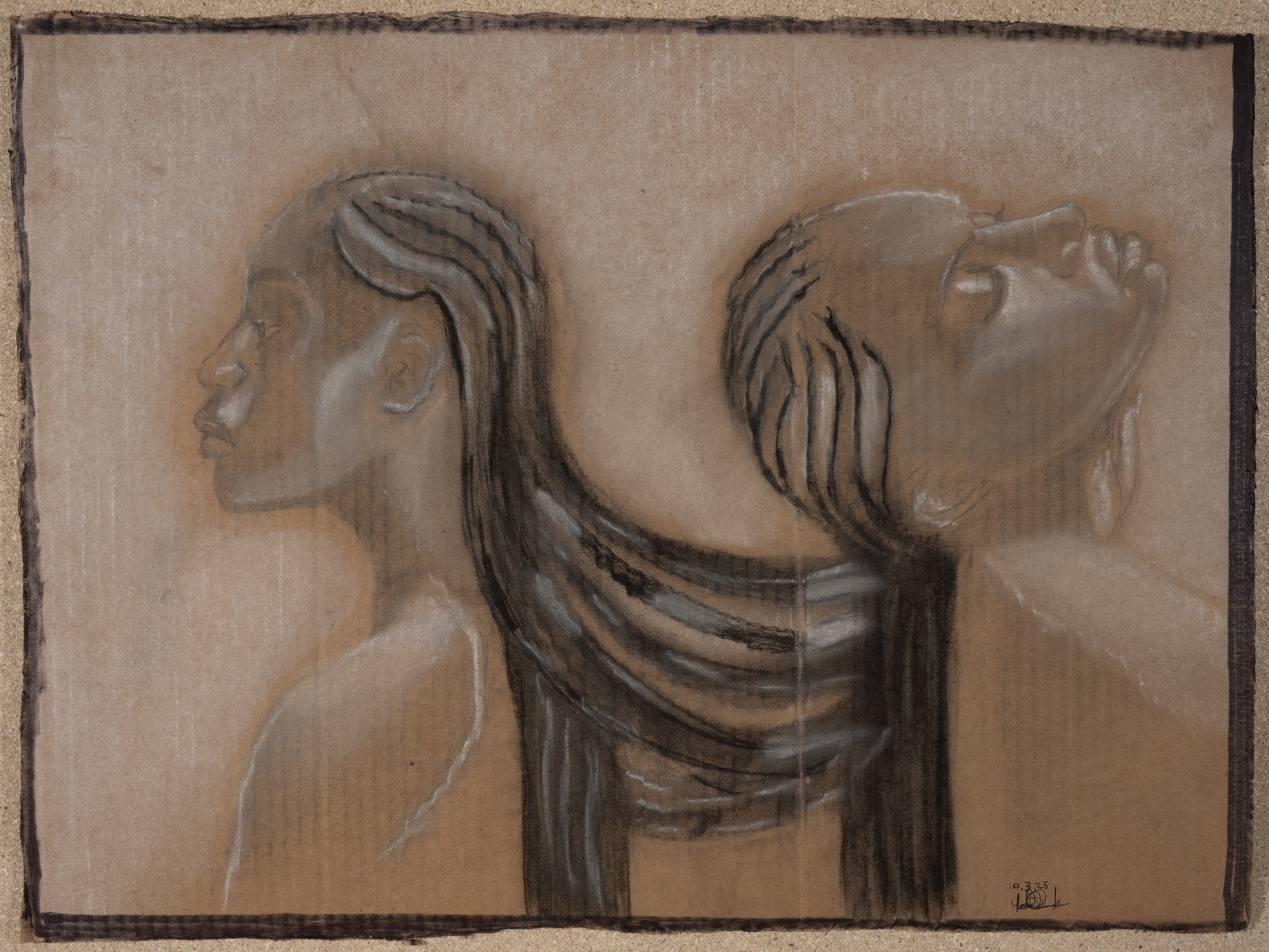
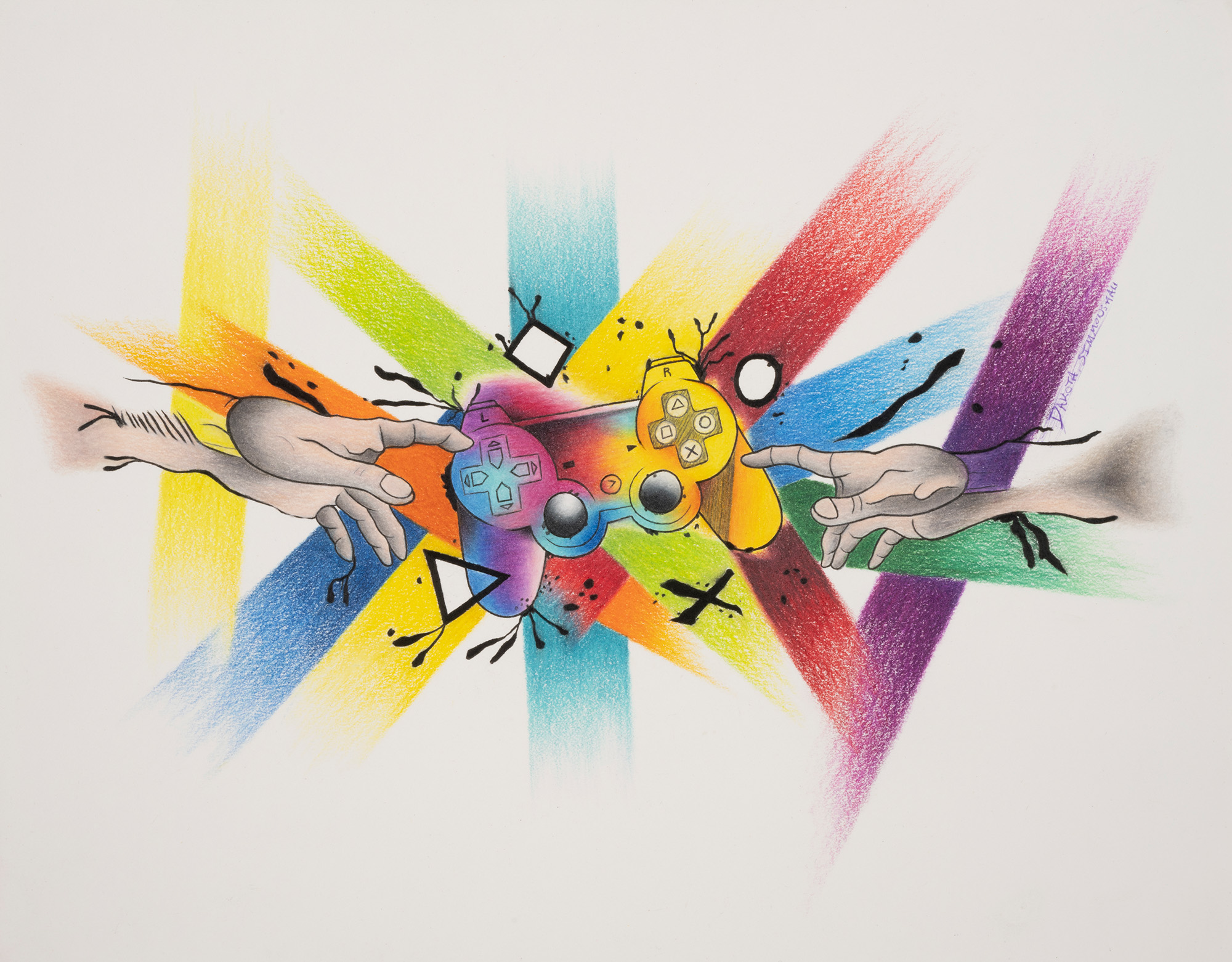
A variety of styles and media are featured in the exhibition, including paintings, portraits, tattoo imagery, landscapes, sculpture, fiber arts and found materials. The pieces are selected each fall by a team of volunteers, including students, who visit every prison in the state and bear witness to the unique challenges incarcerated artists face in practicing their craft.
To commemorate its 30th anniversary, PCAP has welcomed its first curatorial resident, Omari Booker, a former incarcerated artist.
A visual artist and social justice advocate, Booker collaborated with incarcerated artists throughout Michigan during the curation process. He will debut a new piece that interprets the narrative he discovered within the body of work. On March 18, he will present and discuss his personal practice and his unique experience on the curation team.
“As the resident curator, I highlighted the creativity, consistency and process that PCAP artists exemplified,” Booker said. “The artwork is a strong addition to the contemporary creative landscape. Adverse circumstances and adversity are part of the artists’ stories, but do not define or separate their work from that of their contemporaries.
“Our goal is to highlight the incredible artists and artwork created in Michigan prisons. A specific body of my personal work is also in conversation with the works of the PCAP artists. Connection, peace, gratitude and consistency are recurring themes in my work and life. The philosophy that undergirds my work is ‘freedom through art,’ and I aspire to create work that communicates to the viewer their unique and intrinsic ability to be free.”

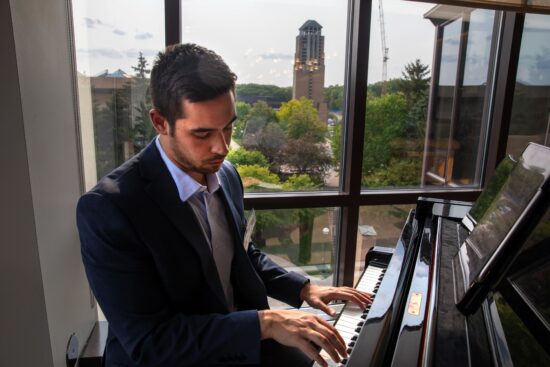
PCAP also will host a new art/music concert at 8 p.m. March 19 in Stamps Auditorium, in which students in the U-M composition department write music in response to artwork featured in the exhibition.
“A few months ago, I had the opportunity to meet a group of incarcerated artists through PCAP,” said U-M student composer Matthew Osterholzer. “During the visit, one artist’s work and words have stuck with me. Sarah Mora is the creator of the two pieces of artwork that inspired my music for the concert, and she coined the phrase ‘Value is what we decide,’ which also acts as the music’s title.”
Osterholzer said that Mora’s work reconfigures the meaning of broken things.
“Things that do not fulfill their ‘intended purpose’ and celebrate the beauty that they have in their own right,” he said. “Even under institutions that would deny the value of these objects, of art and of human lives, her work insists that value is what we decide.”
The exhibition is on display in the Duderstadt Gallery, and attendees can also see a digital version of the exhibition on PCAP’S website.