School of Dentistry marks 150th anniversary of its founding
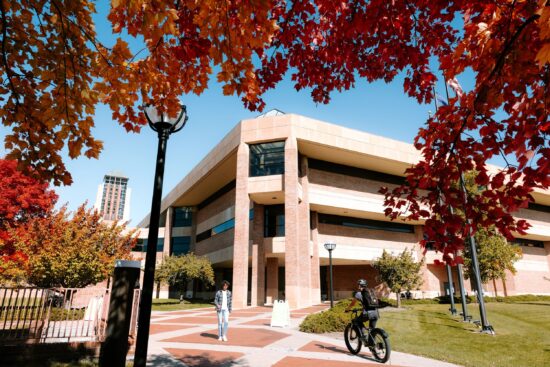
From its prominent location on North University Avenue in the heart of campus, the School of Dentistry has long embraced a “leaders and best” commitment to its mission of providing outstanding dental education, innovative patient care and transformative scientific research that continually advances the profession of dentistry.
That tradition, which has led to the school’s longstanding recognition as one of the best dental schools in the world, is being celebrated this year during the 150th anniversary of its founding in 1875.

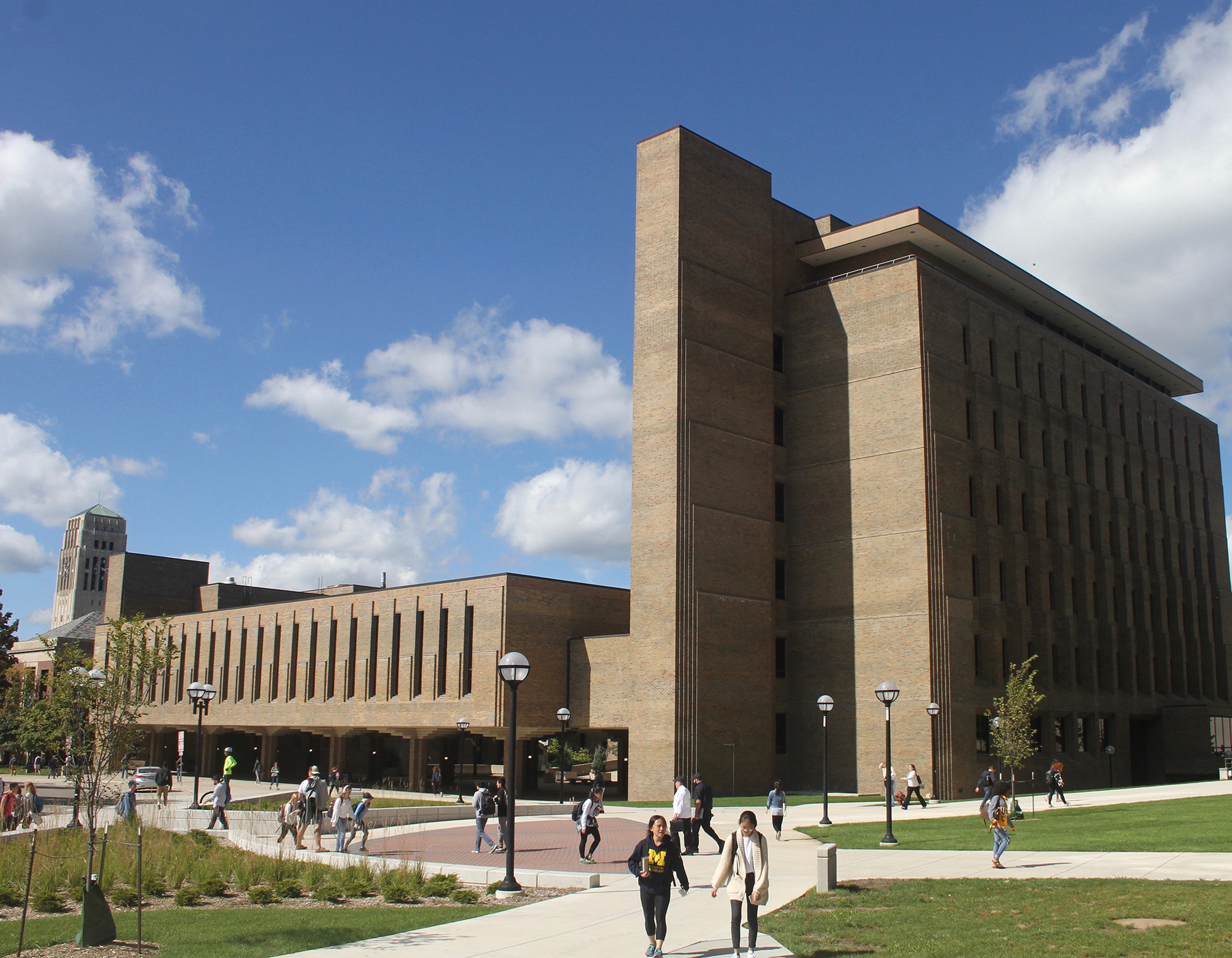
From the very start, leaders of the school wanted to turn out broadly-educated dentists who understood the scientific foundation supporting the clinical care they provided to patients. In those early days, at the dawn of organized dentistry, there were few textbooks, so the U-M professors and graduates wrote them as they developed novel treatment techniques and discovered the science behind oral health and its connections to overall health.
MORE INFORMATION
Leading became a way of doing things — a tradition of intellectual work ethic — that survives to this day, woven into the fabric of the modern School of Dentistry.
“It is a thought-provoking exercise to consider our school’s origins in that vastly different era a century and a half ago, and then fast forward to our mission and methods today,” said Dean Jacques Nör. “Anniversaries like this are important because they prompt us to take time amid our busy schedules to pause and reflect about where we started, how far we’ve come and where we want to go moving forward.”
Today’s dentistry would seem like wizardry to the faculty, students and patients in the early decades of the school. The digital imaging technology, advanced materials and surgical solutions used today in dental education and the treatment of patients would amaze them.

Also amazing is to be reminded in the historical record that the first 21 classes of students who came through the School of Dentistry did so without benefit of electricity. Photos from the 1880s in the school archives show students gathered around patients in dental chairs that were each facing close to a large window because window light was the only light available to examine and treat the patient.
Imagine the short, dark winter days in Ann Arbor when clinic hours depended on the rising and setting of the sun. Patients no doubt hoped for a sunny day so the faculty and students could see their teeth better.
Beyond such a basic “luxury” as electricity that we in the current era have long taken for granted, today’s faculty, students and patients have never experienced foot-powered drills, dangerous radiation levels from the early X-ray machines, and the many trial-and-error primitive materials for fillings, crowns, dentures and other common dental procedures.
As dentistry evolved over the decades, the School of Dentistry and its faculty, students, staff and alumni were recognized as leaders across the spectrum of the profession — from general dentistry to the specialties of prosthodontics, endodontics, orthodontics, periodontics, oral and maxillofacial surgery, restorative dentistry and pediatric dentistry.
The school’s research enterprise has long been a leader in receiving federal research grants and in publishing research that advances the oral health sciences.
Each year more than 222,000 patient procedures are completed by dental students, dental hygiene students, graduate students in the specialties, and faculty dentists. It is common for the school to treat patients from all, or nearly all, of Michigan’s 83 counties each year.
In addition, the school’s Community-Based Collaborative Care and Education program requires third- and fourth-year students to complete external rotations at numerous community clinics around the state of Michigan, including Victors for Veterans clinics designed specifically for U.S. military veterans.
The school’s Global Initiatives in Oral and Craniofacial Health program sends students to several countries around the world to provide dental care and collaborate with local dental providers.


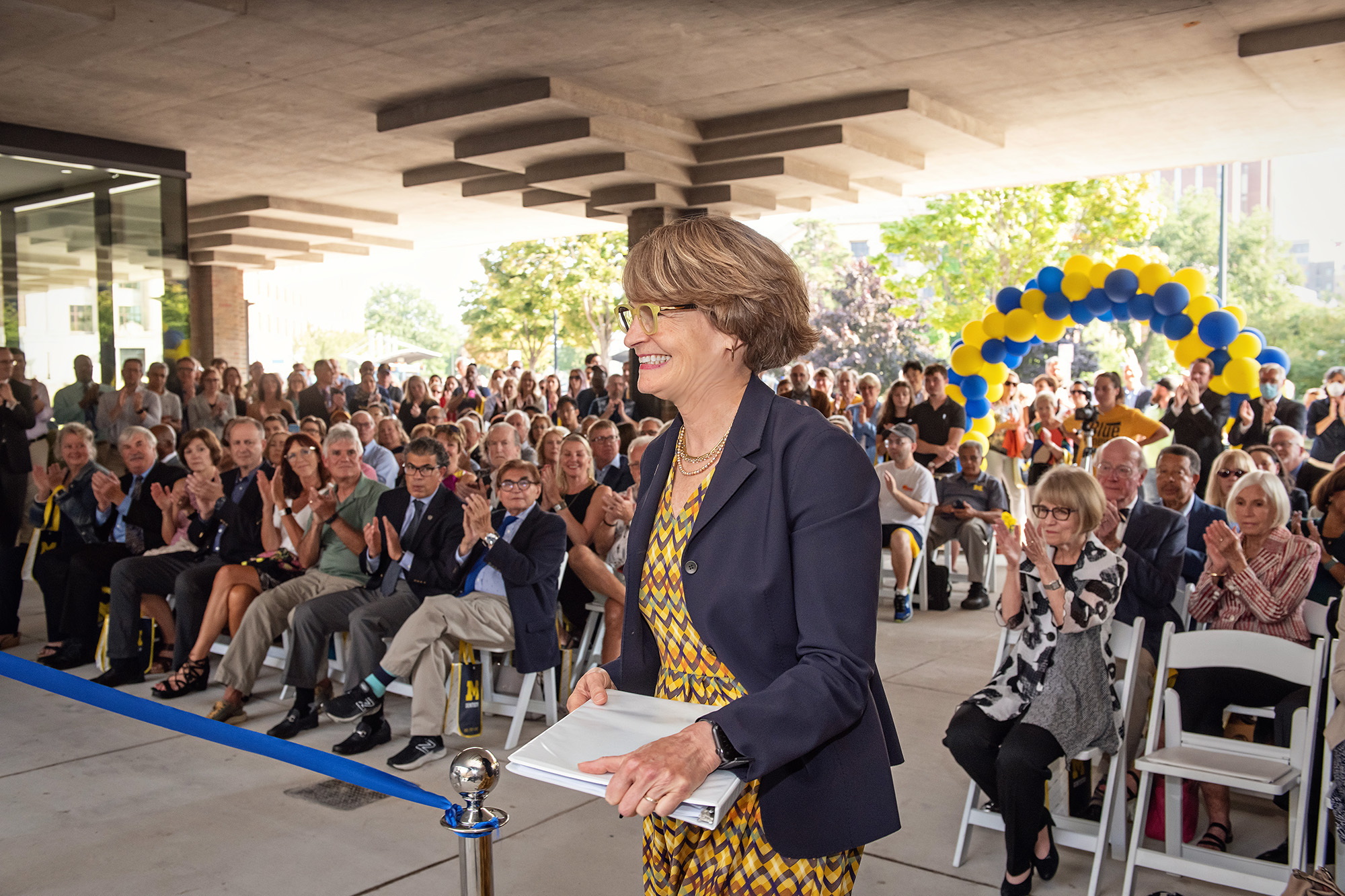
From 1876 through this year, the school has graduated 12,062 students with Doctor of Dental Surgery degrees. Since the start of the Dental Hygiene program in 1921, the school has granted 3,460 DH degrees and certificates. Graduate degrees in the various specialties that were added over the years, along with Ph.D.s in the last three decades, boost the student total by a few thousand more.
How will dentistry and dental education change in the next 150 years?
“That is as difficult to predict today as it was in 1875,” Nör said, “but the historical legacy of the dental school is that our faculty, students and staff have led the way in advancing the profession of dentistry from the very start.
“That leadership has continued in countless ways over the last century and a half, and we are committed to ensuring that the tradition carries forward into the foreseeable future.”