It Happened at Michigan: U-M students elected first Black senior class president in 1948
In the fall of 1948, Orval “Val” Johnson, one of fewer than 100 Black students on Ann Arbor’s campus, announced he was running for senior class president.
His opponent: Peter R. “Pete” Elliott, the fair-haired star of U-M’s undefeated football team.
Elliott played quarterback on teams that won back-to-back national championships. By graduation, he’d earned 12 varsity letters across football, basketball and golf, an accomplishment never to be repeated. If U-M had a prototype for “big man on campus,” Elliott fit it.
Johnson was also an exceptional athlete, but on the track and field team, which didn’t draw the crowds like the football team. He was also active in the Student Legislature, the Sphinx junior honor society, and his East Quad dorm council — and he’d earned a reputation as unfailingly polite.
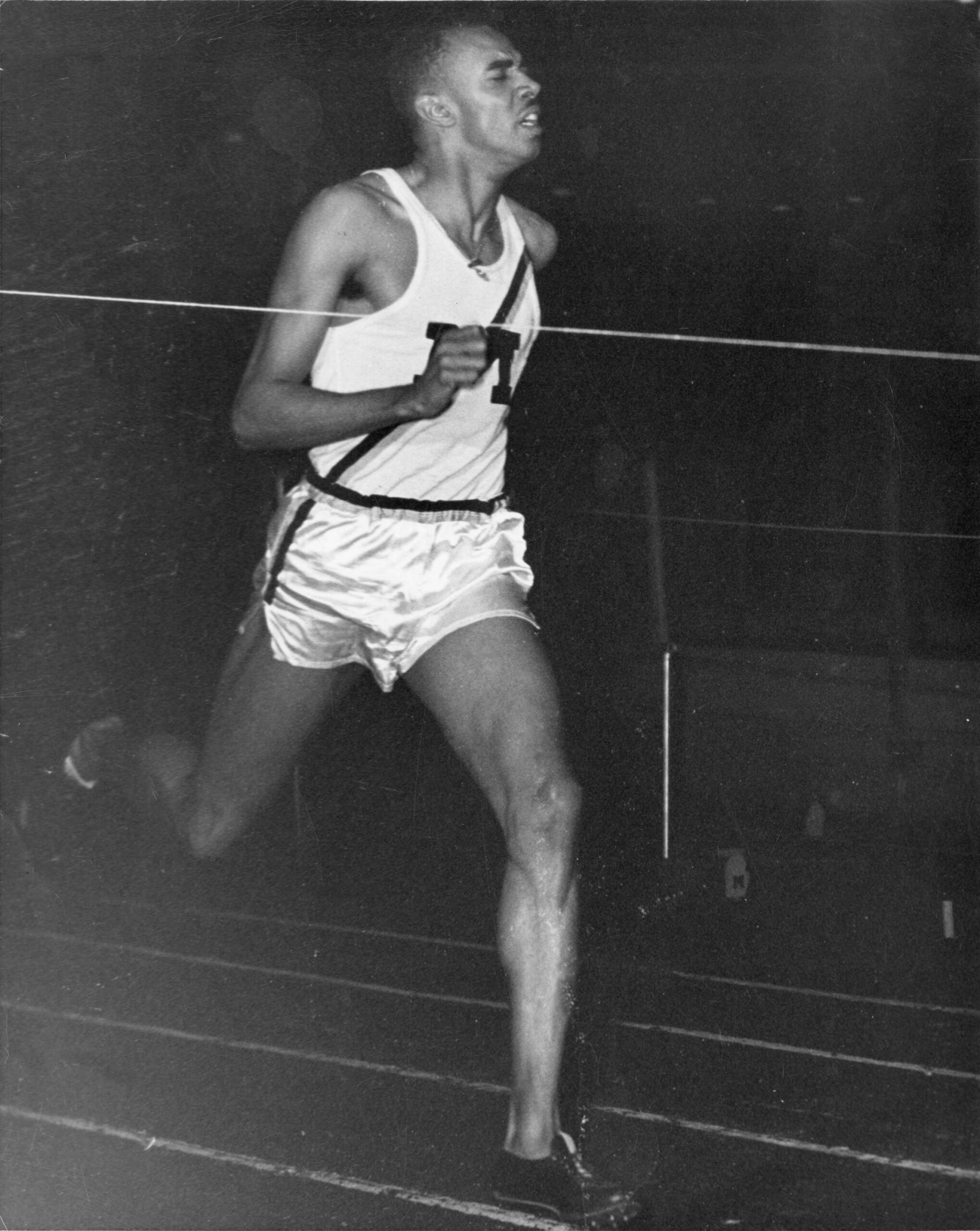
Sports reporters had dubbed him “the gentlemanly runner.”
Johnson’s mix of campus involvement and congeniality made him a strong candidate for senior class president, but he was asking a predominantly white student body to choose him over one of the most decorated football players in U-M history.
Ann Arbor’s campus climate in the mid-century
Post World War II, U-M’s enrollment had swelled to 20,000, thanks to nearly 10,000 veteran students, most of whom were white. Johnson was often the lone Black face in student government circles, among varsity lettermen, and in gatherings of campus leaders.
Off campus, Ann Arbor could be unwelcoming for Black students. Many private rooms for rent were off-limits. Some restaurants refused service. And the Michigan Union, a hub of student life, made it clear who belonged — and who didn’t.
Johnson’s campaign managers decided to call him “Michigan’s Man of Distinction,” and the campaign workers roamed dorms, handing out buttons and lollipops, urging students to cast their votes for Johnson. Phones rang throughout residence halls, as student volunteers played recorded messages encouraging classmates to turn out to vote. Johnson, too, went dorm to dorm, meeting students and asking for support.
Students spur change
In late November, election day arrived cold and windy. The Michigan Daily ran an editorial telling students that choosing leaders wasn’t easy, but it did require showing up.
U-M students in the late 1940s were pushing for change, and national trends were shifting. Harry S. Truman had ordered desegregation in the military, and Jackie Robinson had broken Major League Baseball’s color barrier. On campus, organizations focused on civil rights and ending discrimination. Students staged boycotts of barbershops that refused Black customers and they pressed for an investigation into why there were no Black athletes on certain varsity teams.
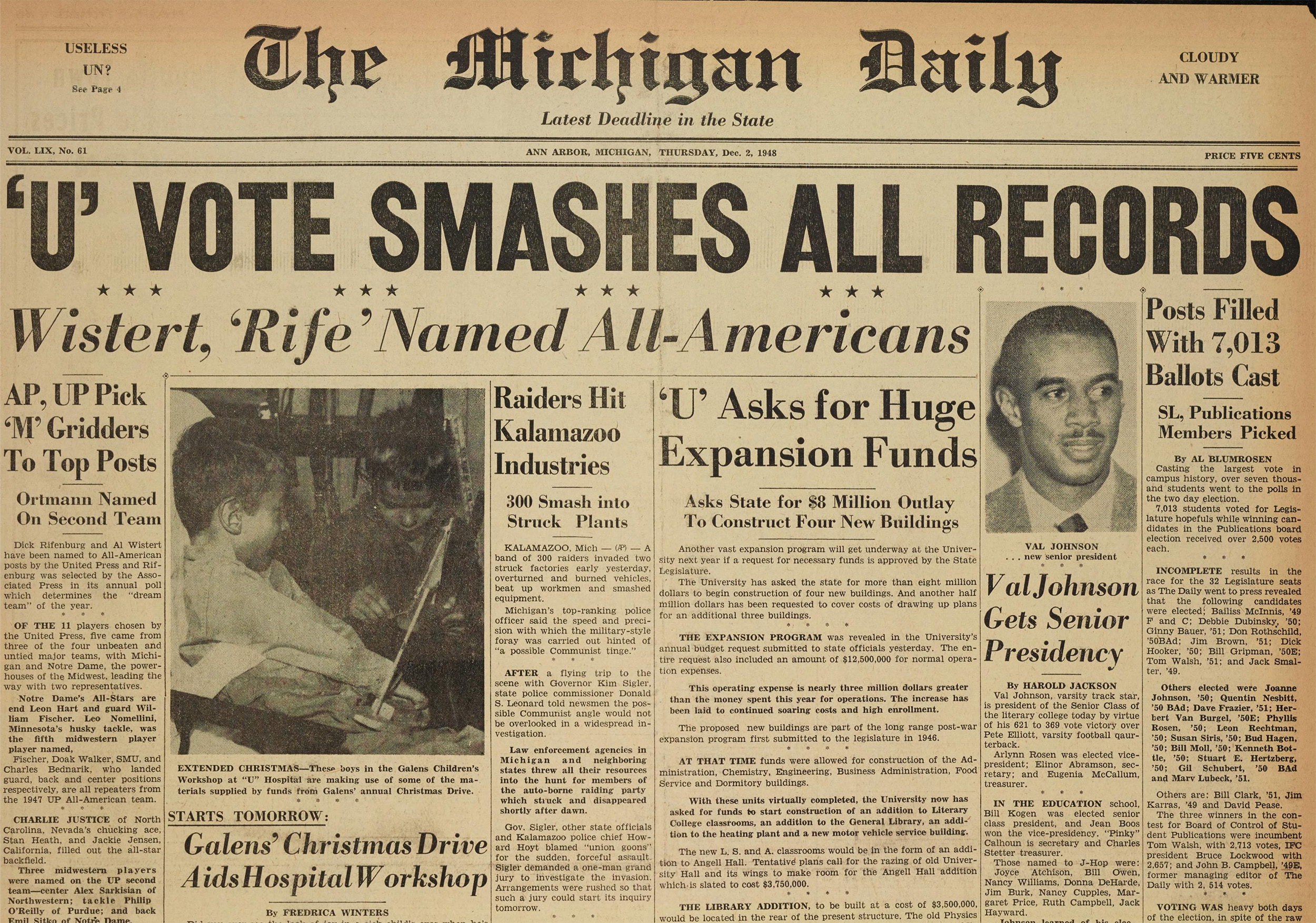
Against that backdrop, the election became more than a popularity contest. Voting stations were scattered across campus, from the Diag to the Law School to the Michigan Union. More than 7,000 students, about a third of the campus, cast ballots for candidates eager to join the Student Legislature, J-Hop Committee — and senior class president.
After two days of voting and a count that stretched for hours, Johnson had won by a 2-to-1 margin. He was the first Black class president at U-M and, likely, the first at any predominantly white university in the country.
Johnson reportedly learned the news around 3 a.m., while running down the stairs in the Michigan Union. Cheers echoed down the hallway. “I’m completely overwhelmed,” he told a Michigan Daily reporter.
The victory earned a small mention in The New York Times and attention in Black newspapers nationwide, including the Michigan Chronicle.
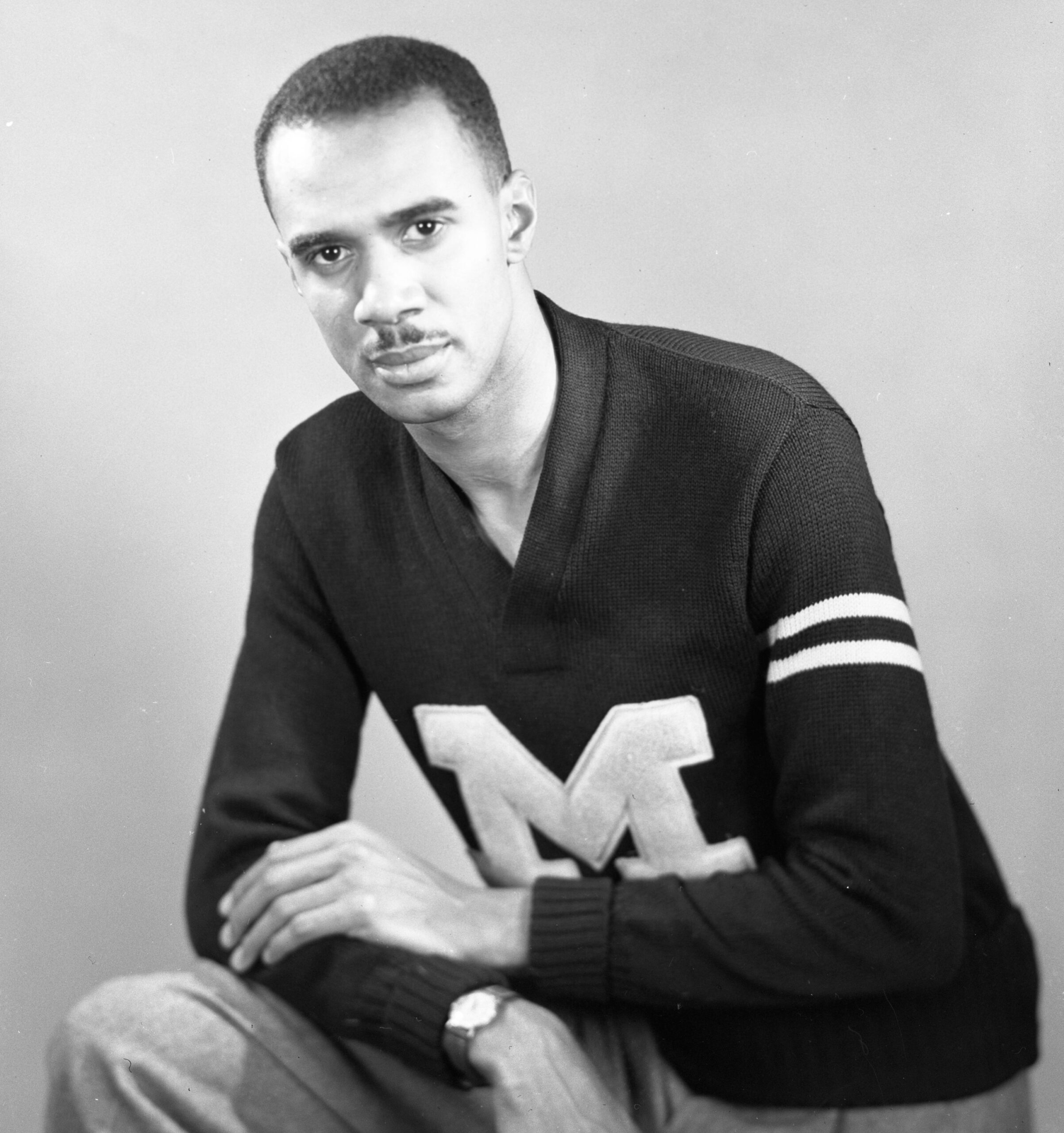
In the days that followed, Johnson composed a thank-you note to his classmates, “for the unceasing moral and physical support you accorded me in the recent Senior Presidential campaign.”
Johnson graduated the following spring with a bachelor’s degree (he later also earned a master’s). Following graduation, he worked for the United Nations Radio in Paris, and being fluent in both French and Spanish, he taught language and communication at the National Autonomous University of Mexico.
He eventually returned to his hometown of Detroit to teach high school Spanish. He died in 1995 at the age of 69.
This article was adapted by Genevieve Monsma, The University Record, from “First in Class,” a piece by Kim Clarke for U-M’s Heritage Project.