Look to Leadership: Leading with care in a changing public safety landscape
As an alum and interim executive director of the University of Michigan Division of Public Safety and Security (DPSS), I am committed to the safety and well-being of all students, faculty, staff, patients, and visitors.
This dedication is rooted in a lasting institutional legacy. Today, safety means not only protection from physical harm but also fostering a secure environment for free speech, campus events, and engagement that defines our community.
The landscape of public safety in higher education has changed dramatically in recent years. National tragedies, such as the shooting at nearby Michigan State University, and other incidents at Brown University and Old Dominion University, are sobering reminders of very real risks. The MSU shooting, for example, prompted a comprehensive, externally led study of U-M’s safety protocols and subsequent technology and process improvements.
Yet the challenges on complex university campuses with hospitals and medical enterprises extend beyond gun violence. Threats, assaults, vandalism, and intimidation often target individuals engaged in scholarship, activism, or public expression. These incidents have increased nationwide. Each year, members of our community receive credible threats related to their work or viewpoints. Security technology is one tool we use to help ensure these voices are heard safely.
RELATED STORIES
U-M’s security enhancements are intended to reduce harm by shortening incident response times and supporting thorough, appropriate investigations. Tools such as security cameras can identify individuals who may be at risk, and provide information that supports timely, proportionate responses by public safety officials. These measures are implemented thoughtfully, with attention to privacy and the rights of all members of our campus community.
To help ensure clear, consistent policy standards, the university has established a Security Technology Enhancement Project Advisory Committee to engage campus stakeholders and inform decisions about camera placement, how footage is stored, who may access it, and under what circumstances. Security cameras are not intended to limit expression; rather, they are one component of a broader approach to prevention and protection, informed by research, best practices, and applicable law.
As a fellow Wolverine, I care about doing this work openly and earning trust. Oversight and accountability aren’t just words at DPSS — they guide how we operate every day. I report directly to the university president, and I take that responsibility seriously.
I, and other DPSS team members, are spending time with groups across campus, including the Academic Program Group, the Senate Advisory Committee on University Affairs, Central Student Government, the DPSS Student Advisory Board, and other organizations. When concerns arise, we partner with the U-M Police Oversight Committee to address them.
I’m grateful to everyone who takes the time to share their perspective. Listening and learning from a wide range of voices helps us make U-M safer and strengthens our community. Go Blue!
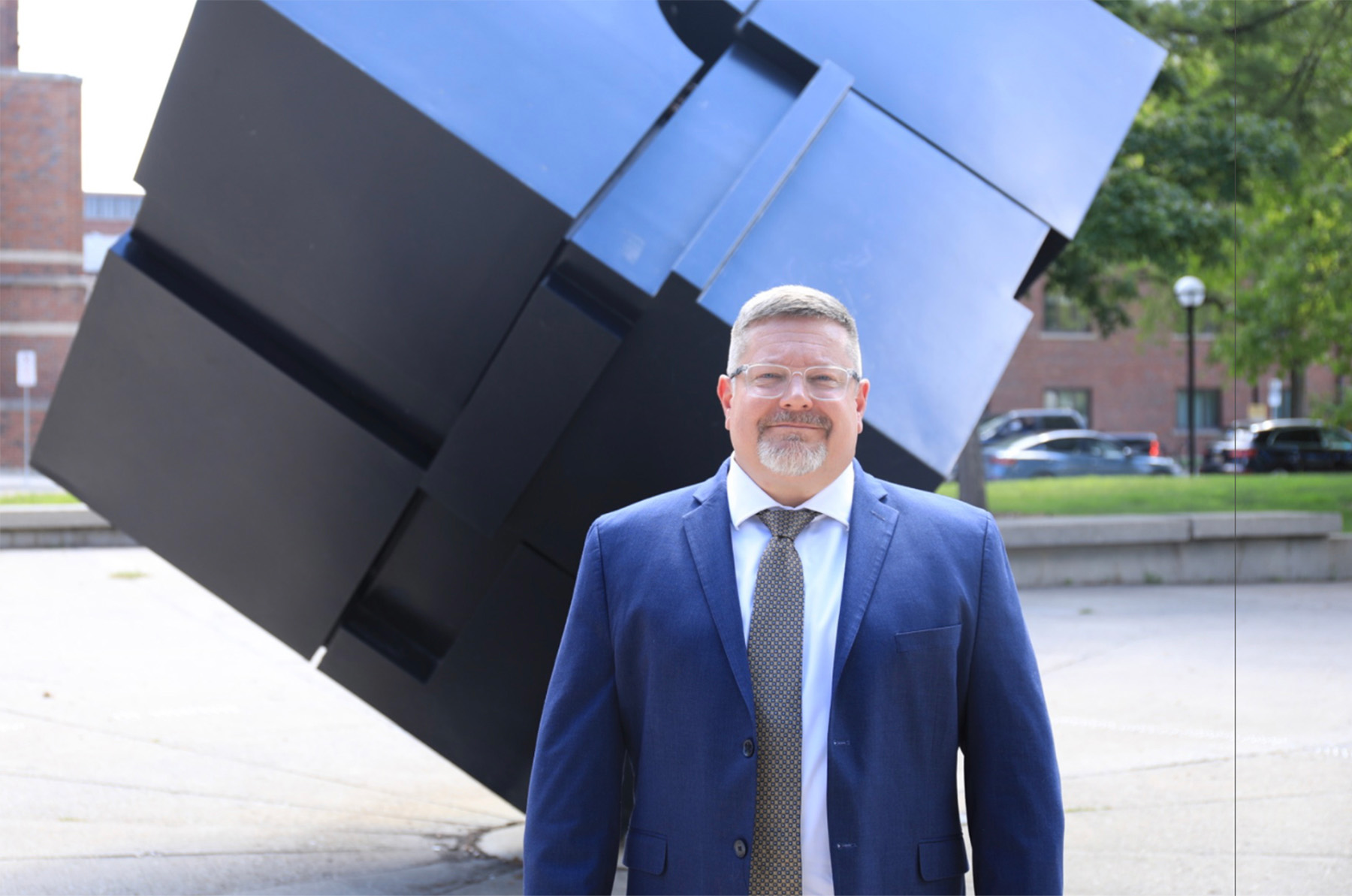
— By Rick Arnold, who is the interim executive director of the Division of Public Safety and Security with a daughter and son who are also Wolverines.