It Happened at Michigan: The grand station that became the Gandy Dancer
Long before it was the Gandy Dancer, one of Ann Arbor’s best-known restaurants, the building at 401 Depot St. functioned as a gateway to the city and to the University of Michigan.
The train station on Depot Street was constructed during an era when railways were the primary means of transportation across the Midwest. The line through Ann Arbor dated to 1839, eventually linking the city to Detroit and, by 1852, to Chicago. By the late 19th century, the railroad had commissioned a new depot for Ann Arbor.
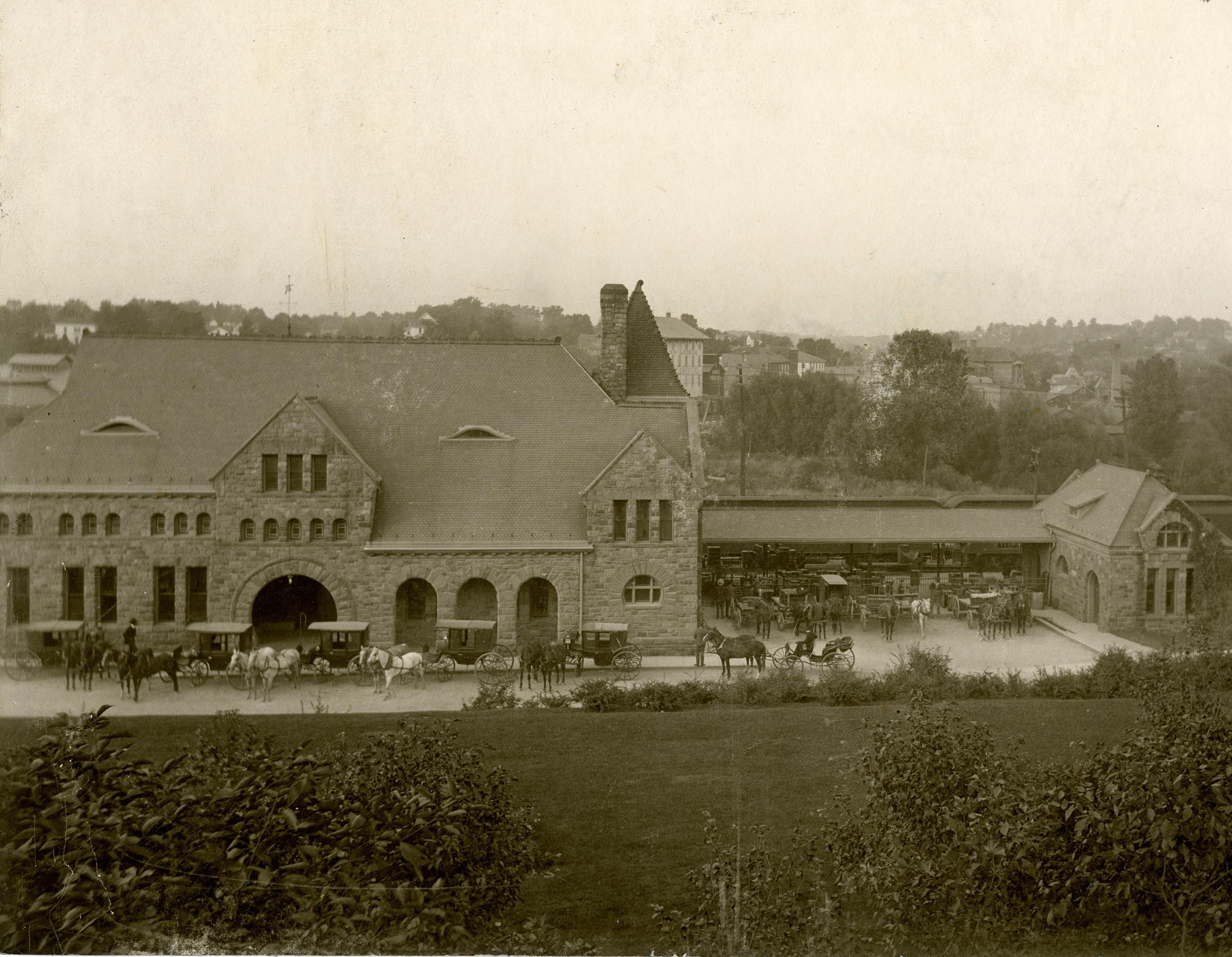
Built in 1886 as the Michigan Central Railroad Depot, the new building was designed in the Romanesque style by Frederick Spier of the Detroit firm Spier & Rohns and contained locally quarried stone from Four Mile Lake, between Chelsea and Dexter. The station boasted grand arches, stained-glass windows and terra-cotta fireplaces — and was described as one of the finest stops on the Michigan Central line between Buffalo and Chicago.
In the early 1900s, up to 13 Detroit-to-Chicago runs passed through Ann Arbor daily, along with shorter local trips. U-M football teams often departed from and returned to the station, cheered on by throngs of fans, and students packed the station at the end of each semester, as they headed home.

Several national politicians, including Theodore Roosevelt, Dwight D. Eisenhower, John F. Kennedy and Richard Nixon, also made campaign trail “whistle stops” at the Ann Arbor depot.
Like many rail stations, however, the depot’s original purpose faded with the arrival of the automobile. By the 1960s, train service had dwindled, and in 1969, the railroad sold the station to restaurateur Chuck Muer, who converted it into the restaurant, the Gandy Dancer. In 1975, the site of the one-time train station was added to the National Register of Historic Places.
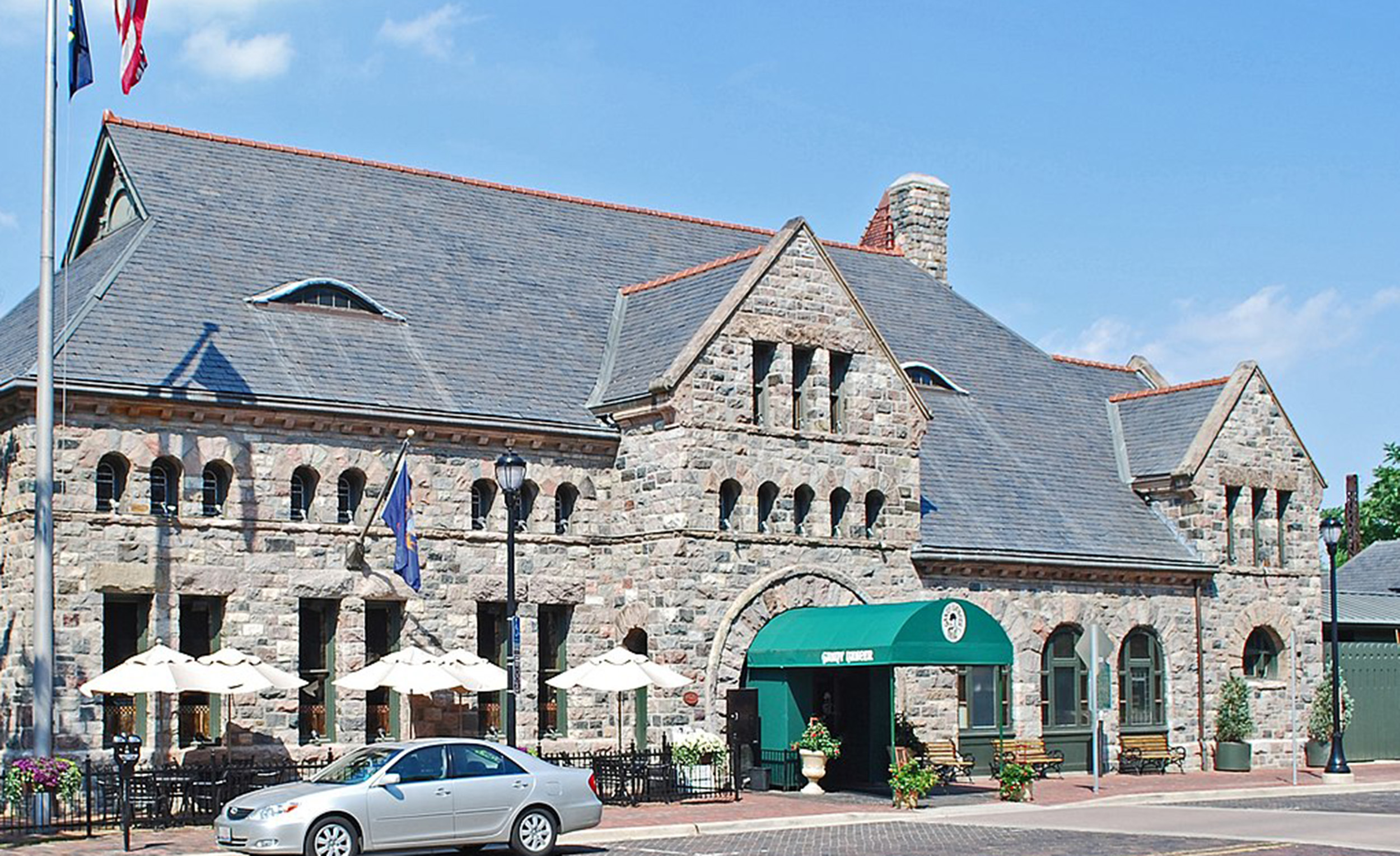
Today, Amtrak’s Ann Arbor station sits nearby on Depot Street. But the older station tells a rich story about the city’s past. While the building’s primary purpose has changed over the years, it still draws people together at the edge of the tracks.