Ross associate director finds joy and community in tap dancing
On Tuesdays after work, Annie Weaver gets in the car and heads west to Holt, just outside of Lansing.
Her destination: Karyn’s Dance Place, where, as a child, she learned ballet, jazz — and, her favorite, tap.
“I loved tap right away,” said Weaver, associate director of global initiatives at the Stephen M. Ross School of Business. “I could get the rhythms. I could get the footwork. It felt innate to me.”
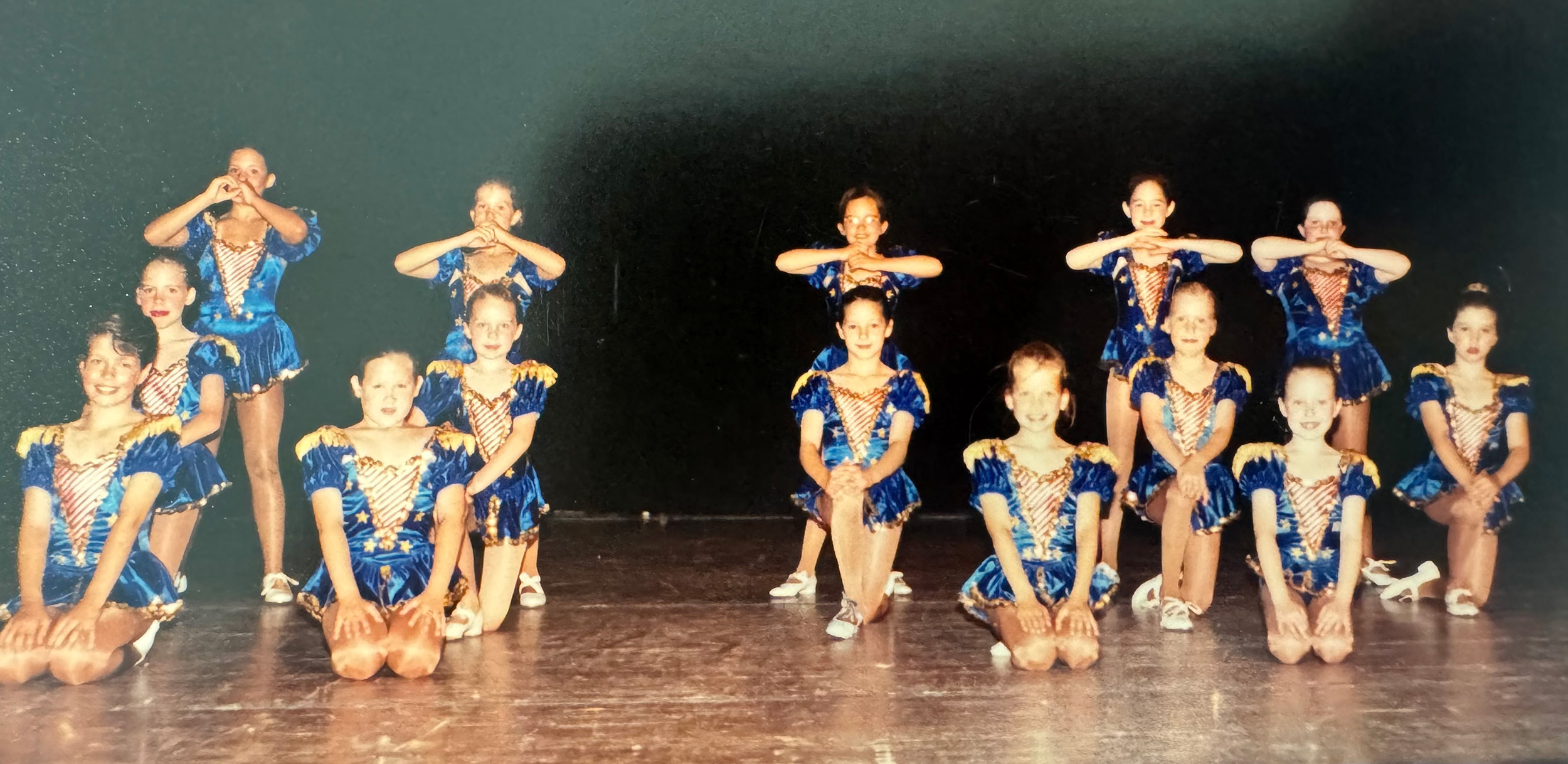
Weaver was introduced to dance at around age 3, when her mother signed her up for ballet at Karyn’s studio. Soon she was introduced to jazz and tap as well, quickly taking to the latter.
Something about it just, well, clicked.
Weaver liked the shoes. She liked the crisp sound. She liked making noise with her feet. Tap felt different from other dance forms. Ballet and jazz required more flexibility than Weaver felt she had naturally. But tap, she said, made sense to her body and brain.
“There’s something about the rhythm or the pattern I just connect to,” she said.
Finding her rhythm
In high school, Weaver spent so much time at the dance studio, she started working at the front desk, which allowed her to take extra dance classes for free.
“I was definitely not taking extra ballet,” she said with a laugh. “But I would take whatever tap I could.”
Even now, she catches herself practicing steps under her desk or in the break room while waiting for something in the microwave.
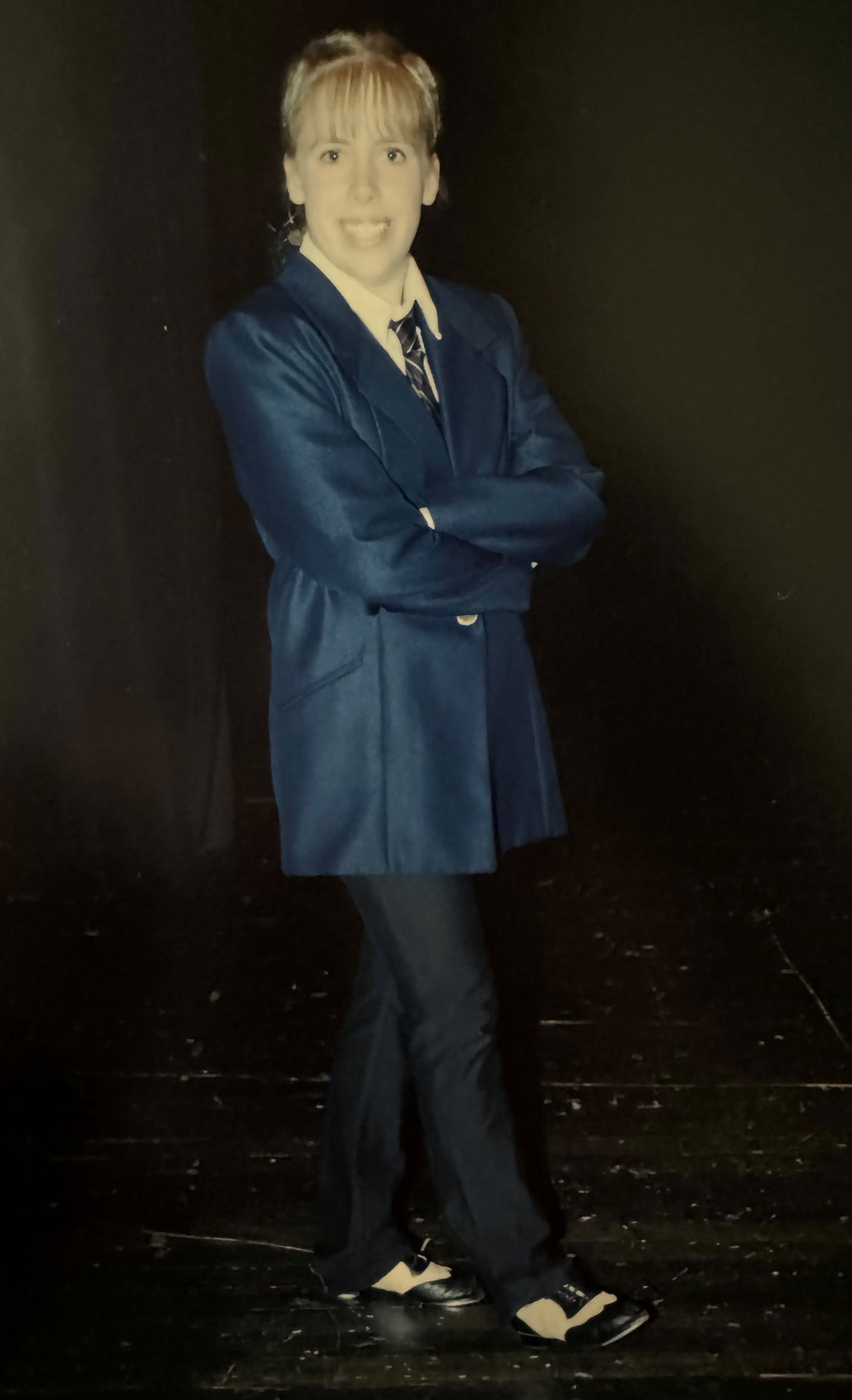
Senior year brought a moment she still treasures: a tap solo in the company recital, set to the theme song from “The Tonight Show.” For the performance, Weaver wore a suit jacket and brand-new black-and-white tap shoes.
“I loved those shoes so much. I wore them for years, until they basically disintegrated,” she said.
Finding connection
After high school, Weaver attended Central Michigan University, then went to graduate school in Nebraska. Later, she lived and worked in Illinois for a decade. In each new place, she sought out dance studios, and taking tap classes became a way to build community in a new place.
Those experiences also broadened her understanding of tap itself.
NOMINATE A SPOTLIGHT
- The weekly Spotlight features faculty and staff members at the university. To nominate a candidate, email the Record staff at [email protected].
As an adult, Weaver encountered teachers with diverse backgrounds and approaches, and realized there were far more styles and techniques in tap dancing than she had known.
She learned new terminology and discovered variations she’d never been taught. She was also introduced to other traditions adjacent to tap, including elements of Irish step dance.
“I thought I knew everything about tap,” she said, with a laugh. “And then I was like, oh — I did not.”
That openness to learning, even in something she had practiced for decades, is part of what has kept the form fresh for her. The other part is the community she’s created around it.
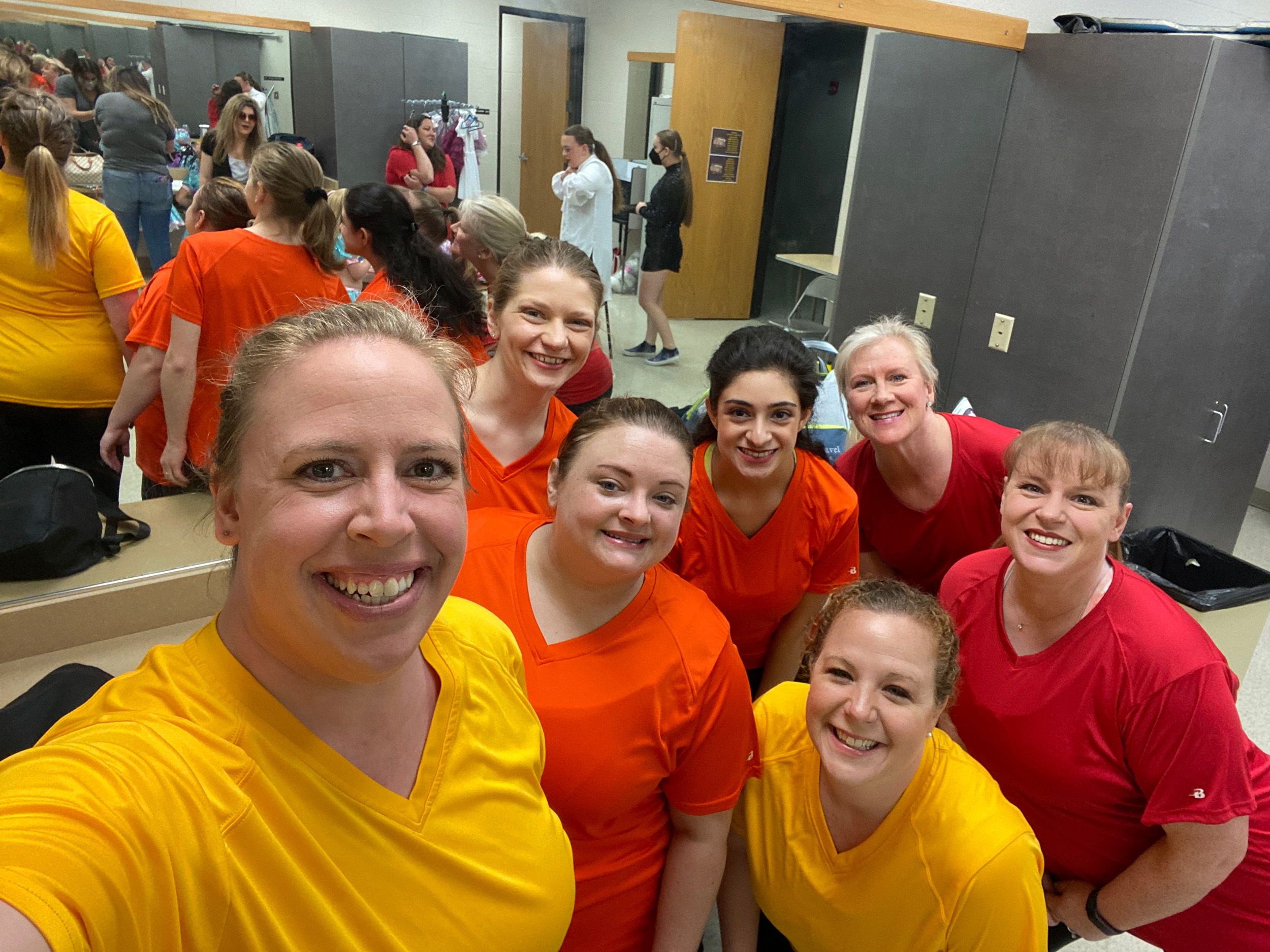
Weaver met her best friend, Leah, through dance as a child. The two were in Karyn’s dance company together and later worked the studio’s front desk on Tuesday nights during high school. They have remained close ever since.
Now, years later, dance still connects them. Weaver returned to Michigan from Illinois three years ago after her husband accepted a job at U-M.
Finding her way home
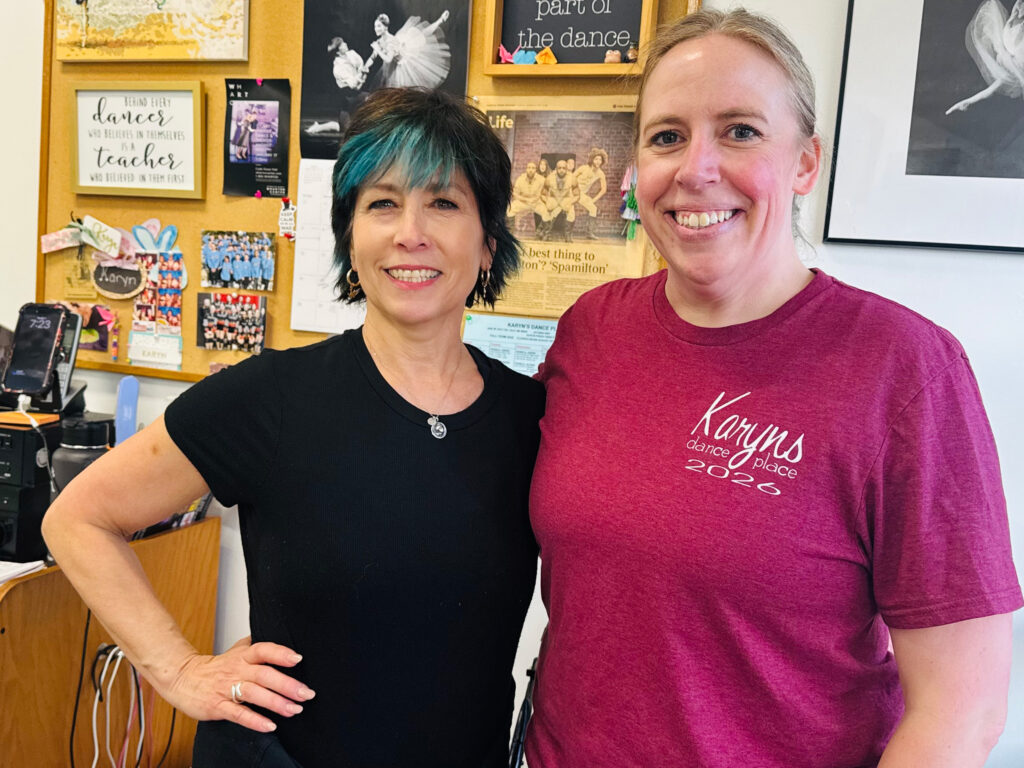
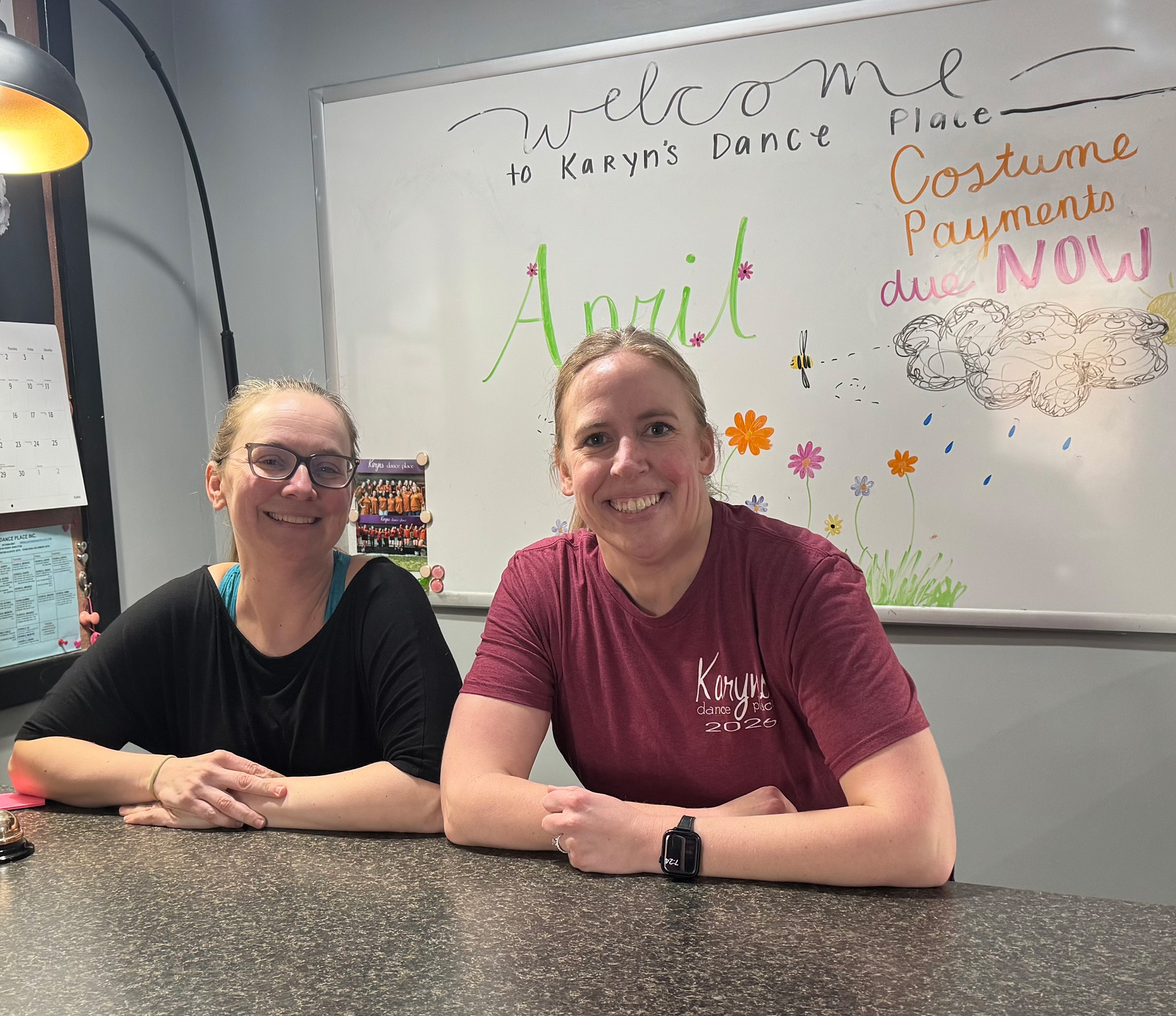
Once Weaver and her husband settled in Brighton, she began looking for adult tap classes in the area but had trouble finding a good fit. So, she reached back to where it all began. She contacted Karyn Perry, her childhood dance teacher, who still owns and runs the studio in Holt.
Perry insisted she come back and take classes.
So, on Tuesdays, Weaver makes that drive west for advanced tap and the jazz class that follows. Her friend Leah takes the jazz class, too.
That return has brought with it a satisfying sense of continuity: old friendships and a creative practice that has endured through every stage of her adult life.
It has also reinforced what tap dancing gives Weaver beyond movement.
At Ross, Weaver said, much of her work can involve screen-based tasks that require focus but can feel repetitive. Tap uses a different part of her mind — and it gets her away from the screen and back into her body.
“I think it’s really important for me to use my brain in creative ways,” she said. “When you can step away from a screen and use your brain in a totally different way, I think that keeps you fresh.”
For Weaver, tap is both a creative outlet and a way to stay connected — to friends, to her hometown, and to a childhood love that still brings her joy.