It Happened at Michigan: The first women to break barriers at Michigan Medicine
In 1870, the Board of Regents voted to allow women to study medicine alongside men — something no other major university had yet allowed. That decision paved the way for thousands of women to become doctors and make significant contributions to advance medical care and research.
The integration, however, wasn’t seamless.
In the fall of 1870, the first 18 female medical students enrolled, but they had to take all but one of their classes apart from the men.
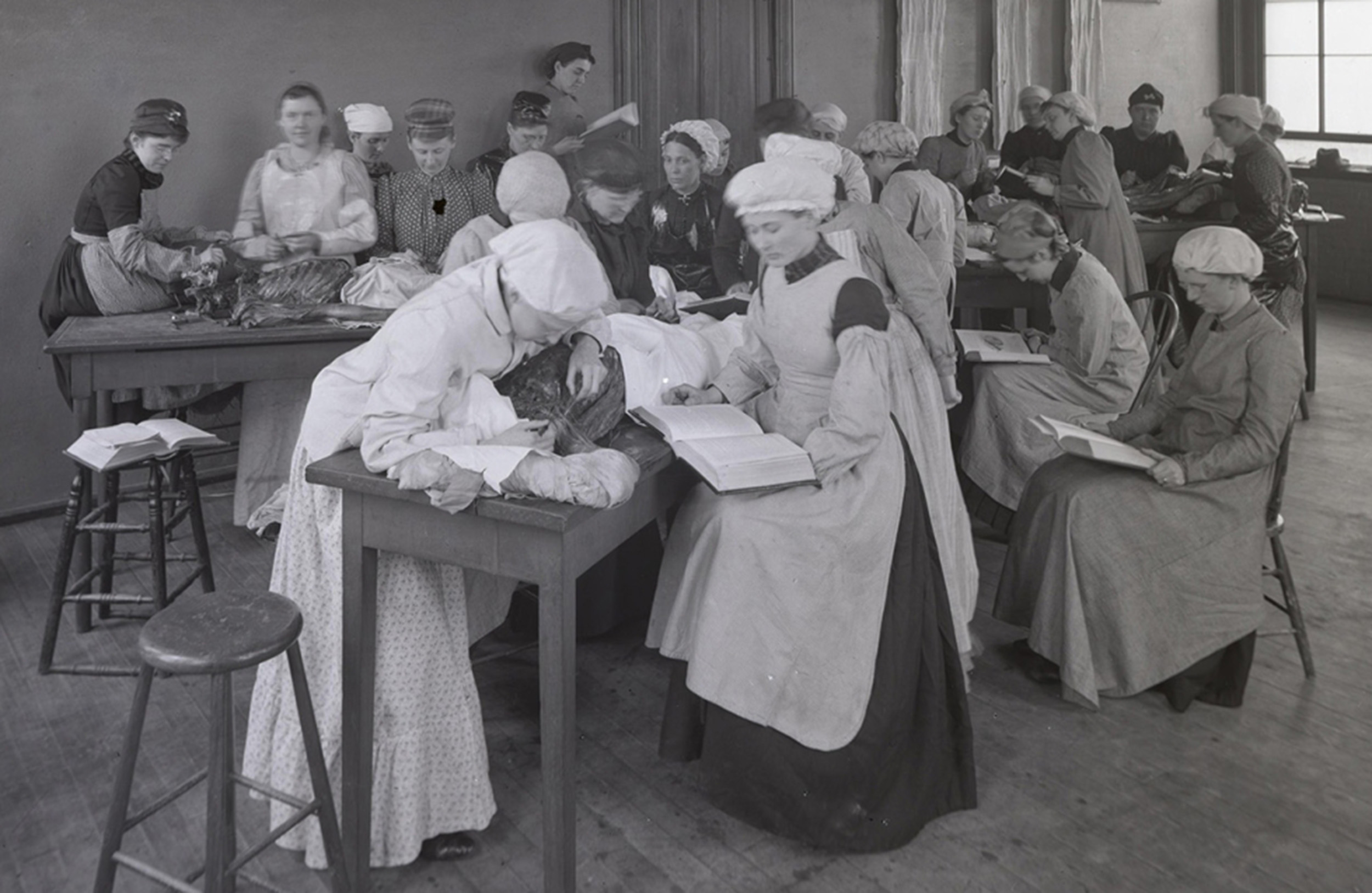
One of the female students, Emma Call, later wrote, “The first class of women … were naturally the objects of much attention, critical or otherwise (especially critical) so that in many ways it was quite an ordeal. I believe that only one of the medical faculty was even moderately in favor of the admission of women, so that it speaks well for their conscientiousness when I say (with possibly one exception) we felt that we had [a] square deal from them all.”
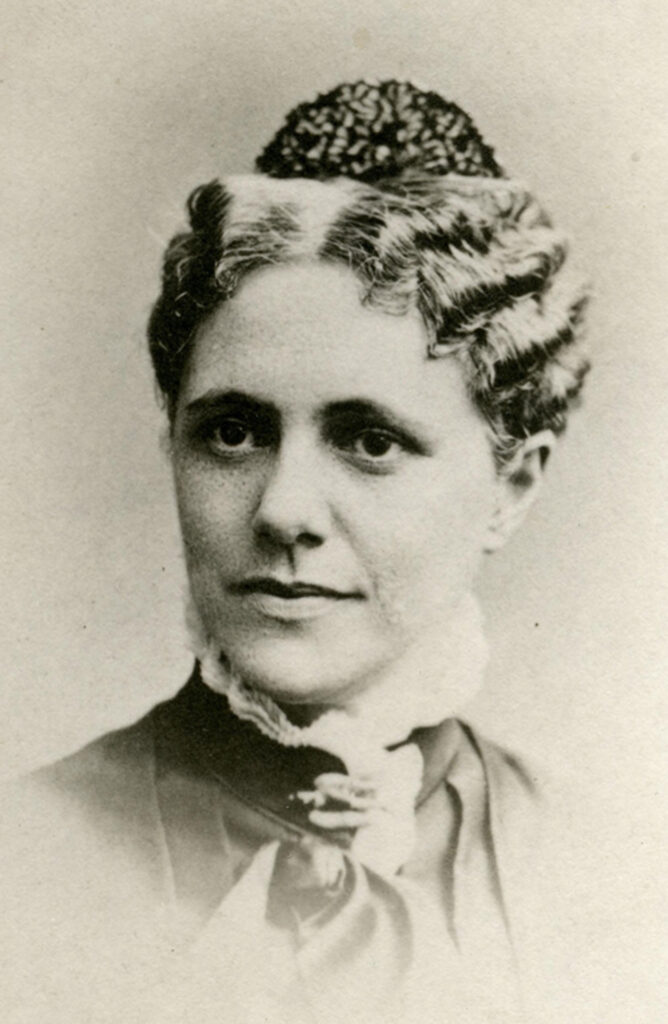
In the spring of 1871, Amanda Sanford became the first U-M female medical graduate, having arrived in Ann Arbor with enough credits to finish after just two terms. She received her degree with highest honors but endured jeers and had paper thrown at her when she presented her research paper on eclampsia at the graduation ceremony. Sanford moved back to her native upstate New York, where she continued her medical career and campaigned for women’s suffrage.
The following spring, Sarah Gertrude Banks, known as “Gertie,” graduated with her medical degree, along with five other women. Their names were listed after the male graduates in the program, and they did not appear in the class photo.
Banks went on to become one of Detroit’s most prominent physicians, caring for a range of patients, from Clara Ford (wife of Henry Ford) to the poorest women and children. She also fought for women’s suffrage.
Finally, in the fall of 1874, men and women were allowed to take classes together — but the women had to sit apart from the men, and the rooms were divided by a curtain or a red line on the floor.
The following spring, Eliza M. Mosher graduated after working her way through medical school as an anatomy demonstrator, including in front of the men’s class. After graduation, Mosher left to practice medicine in New York but returned to U-M in 1896 as the university’s first female faculty member, serving as both a professor of hygiene and the first dean of women. The Mosher-Jordan residence hall is named for her and for Myra B. Jordan, who succeeded Mosher as dean of women.
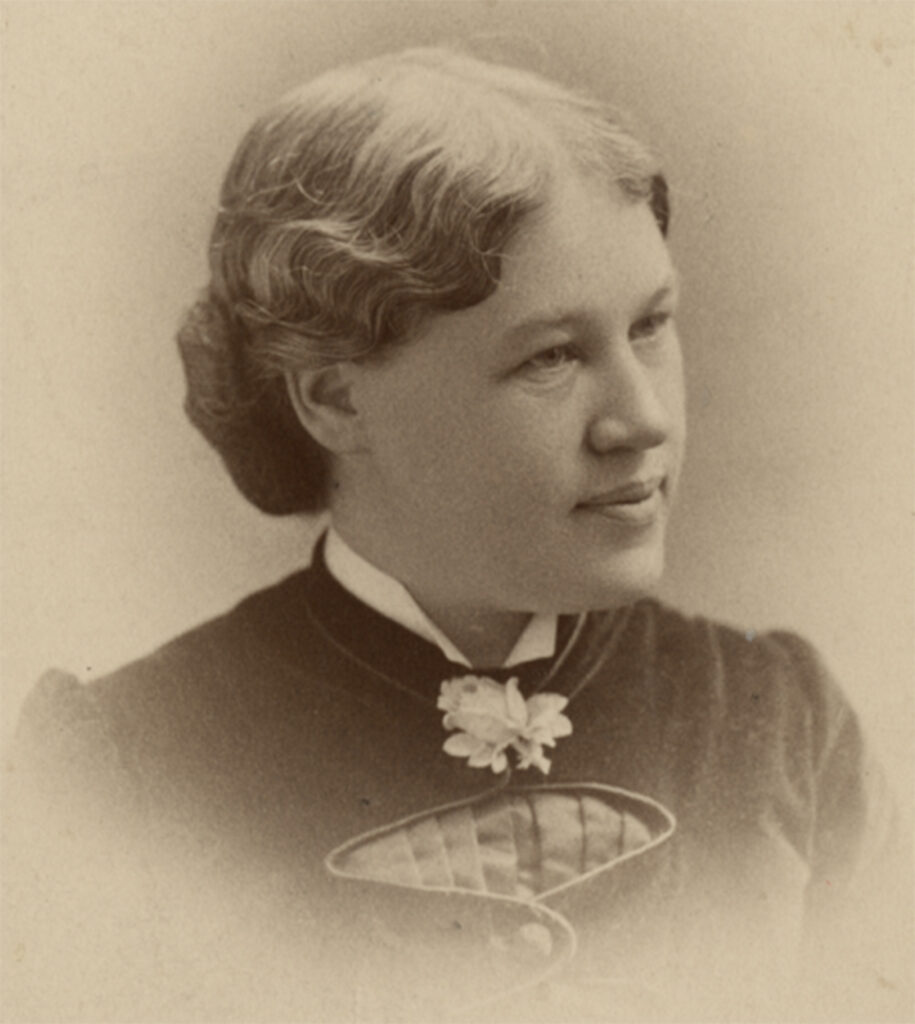
Three years after Mosher graduated, Grace Roberts became the first Black woman to graduate from any part of U-M, earning a degree from the homeopathic medical school founded in 1875 (it later closed in 1922).
By 1900, 394 women had graduated from U-M with medical degrees, with women making up 20% of the graduating class that year.
Today, more than half of incoming medical students and graduate students in the biomedical sciences identify as female, nearly half of the approximately 4,000 Medical School faculty are female, and nearly a third of the school’s department chairs are women. There are, however, still disparities in faculty rank and the distribution of endowed chairs.
— By Kara Gavin, Michigan Medicine. Read more about women making history at Michigan Medicine.